
Business
SEO Agencies in Vancouver: How to Compare Expertise and Choose the Right Partner


Vancouver’s competitive business environment makes organic search visibility an important consideration for organizations seeking new customers. However, choosing an optimization partner can be challenging when multiple providers appear to offer similar capabilities.
Comparing seo agencies in vancouver requires understanding their research methods, technical expertise, communication practices, and approach to measuring results.
The right choice depends on how well an agency’s capabilities align with business objectives.
Begin With a Clear Evaluation Framework
Businesses should identify their priorities before comparing agencies.
A website struggling with technical accessibility may require different expertise from one seeking better local content.
Understand Existing Performance
Review current organic traffic, search visibility, and website usability.
This information helps identify potential weaknesses.
Establish Meaningful Goals
Optimization objectives should connect with business outcomes.
Relevant goals may include stronger geographic visibility or more qualified enquiries.
Important Differences Between SEO Agencies
Agencies may emphasize different optimization activities.
Technical Expertise
Some teams focus heavily on website architecture, indexing, and performance.
These capabilities are important when technical problems limit discoverability.
Content Development
Other teams emphasize keyword research and informative content.
Content quality matters because visitors need accurate and useful information.
Local Search Knowledge
Businesses serving Vancouver communities may benefit from expertise in geographic search behaviour.
However, local knowledge should complement broader technical and strategic capabilities.
Questions to Ask SEO Agencies in Vancouver
Businesses should evaluate how agencies develop and explain recommendations.
How Is Keyword Research Conducted?
Relevant keyword selection should reflect audience needs and search intent.
What Quality Standards Apply to Content?
Content should remain original, accurate, and readable.
How Are Technical Problems Prioritized?
An agency should explain which issues deserve attention first.
What Performance Information Is Reported?
Reports should include meaningful indicators rather than rankings alone.
Why Transparency Matters
Businesses need to understand the work being completed.
Clear reporting helps connect optimization activities with observed changes.
Avoid Guaranteed Ranking Claims
Search results depend on multiple factors outside an agency’s control.
Promises of guaranteed positions should be approached cautiously.
Look for Clear Explanations
Technical recommendations should be understandable.
A capable agency can explain complex issues without relying on unnecessary jargon.
Businesses evaluating Vancouver search optimization expertise should consider the clarity of communication.
Understanding Long-Term SEO
Organic optimization requires continued attention.
Website content may become outdated, technical problems can emerge, and customer behaviour changes.
Regular Performance Reviews
Businesses should examine organic traffic, relevant search impressions, and completed enquiries.
Continuous Content Improvement
Existing pages may require updates to remain accurate and helpful.
Common Selection Mistakes
Choosing an agency solely because of ambitious promises can create unrealistic expectations.
Another mistake involves ignoring communication quality.
A technically capable provider may still be unsuitable if recommendations are unclear or poorly aligned with business needs.
Conclusion
Comparing SEO agencies in Vancouver requires a thoughtful evaluation of expertise, transparency, and strategic alignment. Businesses should consider technical knowledge, content quality, local search understanding, and meaningful performance measurement.
The strongest partnerships emphasize sustainable improvements rather than short-term promises. By choosing an agency that communicates clearly and understands organizational priorities, Vancouver businesses can develop stronger organic search foundations and maintain a more consistent approach to digital growth.
Business
What Does the Port Sudan Authorities’ Loss of Their Seat on the OPCW Executive Council Mean?


Sudan’s chemical weapons file is back in the spotlight, this time through the body responsible for the issue: the Organisation for the Prohibition of Chemical Weapons (OPCW), headquartered in The Hague, the Netherlands.
The Sudanese army faces allegations that it used chemical weapons in its ongoing war against the Rapid Support Forces (RSF), which broke out on April 15, 2023.
The latest development is Sudan’s exclusion from the new African line-up on the OPCW Executive Council. On November 24, 2026, the Conference of the States Parties approved a slate comprising Morocco, Angola, Cameroon, Tanzania and Tunisia to represent the continent for the next term, which begins in May 2027.
The change in African representation comes as allegations that the Sudanese army used chemical weapons during the war remain under discussion within the organisation, amid international calls for clarification, transparent investigations, and the submission of information and evidence on the suspected incidents.
Since the war erupted in April 2023, chemical weapons allegations have resurfaced periodically, met with official Sudanese denials, media and human rights investigations, and calls for the incidents to be subjected to independent international scrutiny.
In recent months, the file has been expanded by the findings of a new investigation led by former OPCW officials, alongside documents and other media investigations, reviving questions about the possible use of chlorine gas or other toxic substances in some military operations.
These indicators do not mean that chemical weapons use has been conclusively established. They do, however, present the international community with facts and testimony that warrant investigation.
An extensive report
In an exclusive investigation published on September 9, 2026, Euronews revealed a report prepared by a team led by former senior OPCW officials, including two who worked at the organisation when it was awarded the Nobel Peace Prize in 2013.
According to the investigation, the team interviewed eight Sudanese witnesses in the Kenyan capital, Nairobi, and reviewed digital material and documents that the report said support accounts of incidents in 2024 and 2025.
The witnesses included people who said they had been directly exposed to the incidents, individuals involved in emergency response, a health worker who treated casualties, and people who provided footage and relevant documents.
The extensive report concluded that there were incidents it described as credible, linked to the emergence of unexplained illness following military activity.
The indicators the team relied on included acute shortness of breath, eye irritation, unusual odours and coloured emissions, as well as health complaints that persisted after the incidents and observations of environmental changes around some sites.
Al-Jaili: a possible chemical attack site
The incident at the Al-Jaili oil refinery, north of Khartoum, topped the evidence examined by the investigative team.
According to the report, two witnesses interviewed separately gave accounts of an incident in September 2024, when the area was under RSF control.
The witnesses said a military aircraft flew over the area shortly before the incident, and that barrel-like objects were associated with its passage, followed by effects that did not seem to them to resemble those typically caused by conventional bombardment. They described unusual emissions in the air and strange odours, before around 20 workers developed acute respiratory symptoms.
According to the accounts cited in the report, the casualties were treated at the refinery’s medical clinic, and changes were later observed in vegetation near the site.
The experts found that the acute respiratory and eye symptoms were consistent with exposure to an airborne irritant or a hazardous chemical, but they were unable to determine its nature.
This is a crucial point. Medical consistency between the symptoms and exposure to an irritant does not, on its own, identify the substance, prove that it came from a chemical munition, or establish who released it.
The incident is all the more significant given multiple testimonies of workers suffering similar symptoms at an industrial site. Reaching a definitive conclusion, however, would require the clinic’s records, the names of those affected, the precise timing of symptoms and the results of any medical tests, as well as environmental samples preserved under procedures that guarantee they were collected safely and were not contaminated or tampered with.
US investigations add to the pressure
Earlier reports had raised allegations of chlorine use at sites in Sudan.
An investigation published by The Washington Post in September 2026 examined documents, video clips and other material that the newspaper said point to a possible stockpile and chemical-related operations. It noted that a number of experts it consulted found the material concerning, but that access to sites and witnesses remains necessary to conclusively establish the nature of the alleged programme.
Human Rights Watch has also published analyses of what it described as strong evidence of chlorine use in some incidents. The Sudanese authorities, for their part, have denied the allegations, saying the chlorine in their possession is intended for civilian purposes, including water purification and industrial use, and have expressed readiness for international verification.
Washington imposes sanctions
On April 24, 2025, the United States announced that it had made a formal determination that the Sudanese government had used chemical weapons in violation of international law. The related sanctions measures were later published in the Federal Register and took effect on June 27 of the same year.
The US position is a political and legal step under US legislation, but it should not be confused with an independent technical investigation conducted by the OPCW in accordance with its mandate and procedures. Each track has its own legal basis and mechanisms, and neither substitutes for the other.
On November 24, 2026, OPCW Director-General Sabrina Dallafior said the Sudan file was before the Executive Council, and that States Parties had requested clarification under Article IX of the Convention. She added that she had met Sudanese representatives and offered technical assistance from the organisation’s Technical Secretariat to support the national investigation.
Dallafior, however, expressed disappointment that the Technical Secretariat had not yet received detailed information on the allegations, despite the issue having been raised within the organisation and in the media. She called on states holding relevant material to share it with the organisation, confidentially if necessary.
In a related development, Sudan lost its seat on the Executive Council for the coming term after Morocco, Angola, Cameroon, Tanzania and Tunisia were elected to represent Africa. It would be inaccurate to describe this as a punitive expulsion over the allegations, since the council is formed through elections and regional representation. Nonetheless, its timing, coinciding with growing international attention to the file, presents Sudan with a new political and diplomatic test.

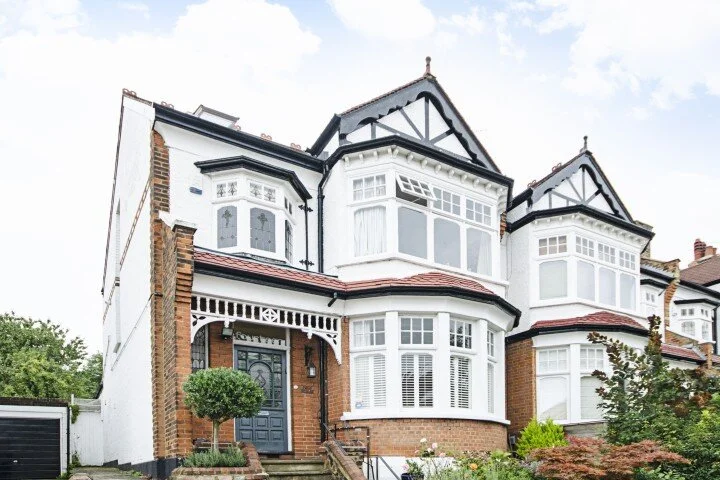
Victorian and Edwardian homes are part of what gives Sydenham its distinctive residential character. From period terraces and bay-fronted houses to larger family properties with original features, these buildings often offer generous proportions and architectural details that are difficult to replicate in modern homes.
However, renovating an older property can involve more than choosing new kitchen units or updating the bathroom. Original materials, ageing services, structural changes and planning restrictions all need careful consideration. Work that appears straightforward at first can become more complicated once walls, floors or roof spaces are opened up.
For owners thinking about improving a period home, good preparation can help protect its character, control costs and avoid unnecessary delays. It is also worth understanding which improvements are likely to make the property more practical for modern living without removing the features that make it appealing.
Understand the Property Before Planning Major Work
The first step is to understand the building’s age, construction and existing condition. Victorian and Edwardian houses were built using methods and materials that can differ considerably from those used in modern properties. Solid walls, suspended timber floors, traditional roof structures and older drainage systems may all require specialist attention.
A survey can help identify defects that are not immediately obvious. Signs of damp, timber decay, roof movement, damaged brickwork or inadequate ventilation should be investigated before renovation plans are finalised. Treating the visible symptom without understanding its cause can lead to recurring problems and additional expense.
Owners should also establish whether the property has been altered previously. An extension, removed chimney breast or converted loft may have affected the structure or changed how the building performs. Building regulations paperwork, planning permissions and previous survey reports can provide useful background.
Local market knowledge can also help homeowners consider how proposed improvements may affect the property’s appeal. Speaking to local estate agents in Sydenham can offer a useful perspective on the features buyers value in the area, although any renovation decision should also reflect the owner’s budget, plans and the property’s actual condition.
Protect Original Features Where Possible
Period features can give a Victorian or Edwardian home much of its appeal. Original fireplaces, ceiling roses, cornices, timber floors, sash windows, panelled doors and decorative tiles may all contribute to its character. Before removing or replacing anything, owners should consider whether it can be repaired or incorporated into the renovation.
Restoring an original timber floor, for example, may be more sympathetic than covering it with a modern finish. Similarly, repairing a traditional sash window can preserve its appearance while improving how it operates. Secondary glazing or suitable draught-proofing may also help improve comfort without changing the external character of the building.
It is important to distinguish between features that are genuinely original and later additions. Some older homes have already undergone substantial alterations, so an architectural survey or advice from a specialist can help establish what is worth retaining.
Where replacement is necessary, materials and detailing should be chosen carefully. Modern products do not always behave in the same way as traditional materials, and an apparently convenient shortcut can create problems elsewhere in the building. The aim should be to make the home work better while retaining the details that give it its identity.
Be Careful When Tackling Damp and Improving Ventilation
Damp is a common concern in older homes, but it should not automatically be treated with modern waterproof coatings or chemical solutions. Victorian and Edwardian buildings were often constructed with materials that allow moisture to move through the structure and evaporate. Changing that balance without understanding the cause can trap moisture and make defects worse.
Before starting remedial work, establish whether the problem comes from a leaking gutter, damaged pointing, raised external ground levels, plumbing failure, condensation or another source. A qualified professional with experience of traditional buildings can help identify the cause and recommend an appropriate solution.
Ventilation is equally important. Older houses may have fireplaces, air bricks or other features that help with airflow. Blocking these without considering the consequences can increase condensation, particularly after installing modern insulation or replacement windows.
Owners should also think about how the home will be heated and ventilated after renovation. Extractor fans in kitchens and bathrooms, adequate background ventilation and consistent heating can all contribute to a healthier indoor environment. The right approach will depend on the building’s construction and condition, so avoid treating every damp problem as though it has the same cause.
Plan Extensions and Modern Improvements Around the Existing Structure
Many owners renovate period homes to make them more suitable for contemporary living. A kitchen extension, loft conversion or reconfigured ground floor can create useful space, but the design needs to work with the original building rather than simply add square footage.
For example, opening up a ground-floor layout may improve light and circulation, but removing walls can affect structural stability. Chimney breasts, roof timbers and suspended floors may also have a structural role that is not obvious at first glance. A structural engineer should assess significant changes before work begins.
In Sydenham, where properties can vary considerably in age, size and layout, it is worth considering how an extension will relate to the proportions and character of the existing house. A design that looks attractive on a plan may feel out of balance once built if it overwhelms the original rear elevation or reduces natural light to neighbouring rooms.
Energy improvements need similar care. Loft insulation, draught-proofing and heating upgrades can make a home more comfortable, but insulation choices should account for moisture movement and ventilation. In some traditional buildings, inappropriate insulation can increase the risk of condensation within walls or roof spaces.
A well-planned renovation should improve everyday use while respecting the building’s original design. Getting architectural and structural advice early can prevent expensive changes once construction is underway.
Check Planning Permission, Listed Status and Building Regulations
Before committing to a design or appointing builders, check whether the proposed work needs formal approval. Not every Victorian or Edwardian property has protected status, and the rules depend on the individual building, its location and the nature of the changes.
Some homes may be listed, while others may sit within a conservation area. These designations can affect what owners are allowed to alter, particularly where work changes the building’s appearance or removes features of historic interest. Certain conservation areas may also have Article 4 Directions, which remove permitted development rights for specific alterations.
If a property is listed, alterations that affect its special architectural or historic character may require listed building consent. This can apply to internal as well as external work. Planning permission may also be needed for extensions or other development, while building regulations approval may apply to structural work, insulation, replacement windows, heating systems and other improvements.
The rules are not interchangeable: permitted development does not automatically remove the need for listed building consent or building regulations approval. Owners should check with the relevant planning authority and building control team before work starts.
Historic England’s guide to permission for changes to older homes explains the different approvals that may apply to listed buildings and properties in conservation areas. It is a useful starting point, but property owners should confirm the requirements for their own address and project with the local authority.
Choose the Right Professionals and Build a Realistic Budget
Renovating an older property can reveal unexpected issues once work begins. A floor may need additional support, hidden timber decay may become visible, or outdated wiring and plumbing may need more attention than originally anticipated. A realistic budget should allow for these possibilities rather than relying on the cheapest initial estimate.
Where specialist work is involved, experience with period buildings matters. An architect or surveyor familiar with traditional construction can help develop an appropriate design, while a structural engineer can assess changes to walls, floors and roof structures. Builders should be able to explain how they will protect original features and deal with materials that may differ from modern construction.
Before appointing a contractor, ask for a detailed written quotation that sets out the work, materials, exclusions, payment stages and expected timetable. Check references and examples of similar projects, and make sure responsibilities for obtaining approvals are clearly agreed. If several trades are involved, establish who will coordinate them.
It is also sensible to photograph the property before work begins and keep copies of plans, permissions, guarantees, invoices and completion certificates. These records can help with future maintenance and may be useful if the property is sold.
A renovation should be judged by more than its immediate visual impact. Improving comfort, repairing defects and making rooms more practical can all help an older home remain suitable for modern life. By understanding the building, protecting its character and planning carefully, owners of Victorian and Edwardian homes in Sydenham can make changes that are both useful and sympathetic to the property’s history.

Renting out a property to multiple tenants can provide landlords with an opportunity to make effective use of their investment, particularly in areas where shared accommodation is in demand. However, letting a property as a House in Multiple Occupation (HMO) involves additional legal responsibilities, including licensing requirements, safety standards and ongoing management obligations.
For landlords operating in London, understanding these requirements is essential before renting out a property. The rules can vary depending on the local authority and the type of accommodation being provided. Speaking with experienced letting agents in Brook Green can help landlords understand their responsibilities, identify relevant licensing schemes and manage the practical requirements of operating a shared property.
What Is a House in Multiple Occupation (HMO)?
A House in Multiple Occupation is generally a property rented by at least three people who are not members of the same household and who share facilities such as a kitchen, bathroom or toilet.
For example, a house rented by three unrelated professionals who share a kitchen and bathroom may fall within the HMO definition. Similarly, a property occupied by several students who are not part of the same household may qualify.
HMOs can include houses, flats and certain converted buildings. However, the exact classification depends on the property’s layout, occupation arrangements and the relevant legal definitions.
It is important for landlords to understand that a property can qualify as an HMO even when it does not require a mandatory HMO licence. Licensing requirements are determined by additional criteria and local authority schemes.
Understanding the Different Types of HMO Licensing
There are three main types of property licensing that landlords should understand when renting out accommodation in London.
Mandatory HMO Licensing
Mandatory licensing applies to large HMOs occupied by five or more people forming two or more separate households, where some or all occupants share facilities such as a kitchen, bathroom or toilet.
Since October 2018, the mandatory licensing requirements have covered qualifying properties regardless of whether the building has three or more storeys. This means smaller houses and flats can also fall within the mandatory licensing rules.
Additional HMO Licensing
Local councils can introduce additional licensing schemes covering smaller HMOs that would not otherwise require a mandatory licence.
These schemes commonly apply to properties occupied by three or four people from two or more households, although the exact scope depends on the council’s designation.
Selective Licensing
Selective licensing is different from HMO licensing. It can apply to privately rented properties within designated areas, including some properties occupied by a single household or individual tenants.
Landlords should therefore check whether their property falls within a selective licensing area even if it is not an HMO.
The applicable requirements should always be checked with the relevant local authority before a property is let.
How HMO Licensing Works Across London
One of the main challenges for landlords operating in London is that licensing requirements are not identical across all boroughs.
Each local authority can introduce additional HMO and selective licensing schemes within designated areas. As a result, a property in Hammersmith may be subject to different requirements from a similar property in Ealing, Hounslow, Brent or Westminster.
Landlords should identify the local authority responsible for their property and check its current licensing arrangements. They should also establish whether any new schemes or renewals are due to take effect.
For example, Westminster has additional HMO licensing arrangements covering smaller shared properties, alongside a separate selective licensing scheme introduced in November 2025. Its renewed additional HMO licensing designation is scheduled to take effect from 31 August 2026. This demonstrates why landlords should check current local requirements rather than rely on previous licensing arrangements. <Cite refs={[“turn627637search6″,”turn627637search8”]}/>
The London-wide property licensing map published by the Greater London Authority is another useful starting point for identifying schemes that may affect a rental property.
What Standards Must an HMO Property Meet?
Obtaining an HMO licence is not simply an administrative requirement. Landlords must demonstrate that the property is suitable for the intended number of occupants and meets the relevant safety and management standards.
Important considerations include:
- Room sizes: Bedrooms must meet the applicable minimum space requirements for the number and age of occupants.
- Fire safety: Appropriate fire detection, alarms, fire precautions and escape arrangements must be provided.
- Gas safety: Where gas appliances are installed, landlords must arrange the required annual gas safety checks.
- Electrical safety: Electrical installations must be inspected at the required intervals, with the relevant safety report provided.
- Kitchen and bathroom facilities: Shared facilities must be suitable for the number of people living in the property.
- Waste management: Suitable arrangements must be made for storing and disposing of household waste.
- Property maintenance: The building and its facilities must be maintained in a safe and suitable condition.
Councils may also impose additional conditions depending on the property and the licensing scheme. Landlords should review the conditions attached to their individual licence rather than assume that meeting the general requirements is sufficient.
Applying for and Renewing an HMO Licence
Landlords should contact their local authority to establish whether their property requires an HMO licence and identify the appropriate application process.
Applications generally require information about the property, its layout, the proposed number of occupants, management arrangements and relevant safety documentation.
The council will also consider whether the proposed licence holder and property manager are fit and proper persons. The authority must be satisfied that the property is suitable for the number of occupants and that appropriate management arrangements are in place.
An HMO licence can last for a maximum of five years, although the actual period is determined by the local authority. A separate licence is required for each HMO, and landlords must apply for renewal before the existing licence expires.
Licence fees are determined by the relevant council and can vary between boroughs. Landlords should therefore check the current application and renewal costs when preparing their budgets.
What Happens If a Landlord Operates an Unlicensed HMO?
Operating an HMO without the required licence can have serious financial and legal consequences.
Landlords who fail to obtain the appropriate licence may face prosecution and an unlimited fine. In certain circumstances, tenants or local authorities may also pursue a Rent Repayment Order, requiring the landlord to repay up to 12 months of rent.
Licensing failures can also create difficulties when landlords seek to regain possession of a property. For example, failing to obtain the required licence can affect the validity of certain possession procedures.
Landlords should not assume that submitting an application automatically resolves every compliance issue. They should check the local authority’s requirements and obtain advice if they are uncertain about their property’s licensing position.
How Professional Property Management Can Help
Managing an HMO involves more than finding suitable tenants and collecting rent. Landlords must coordinate maintenance, respond to tenant concerns, monitor safety requirements and ensure that licensing conditions continue to be met.
A professional managing agent can assist with practical responsibilities such as arranging safety inspections, coordinating repairs, managing tenancy documentation and keeping track of licence renewal dates.
For landlords with properties across several West London boroughs, understanding the differences between local licensing schemes is particularly important. Requirements in Hammersmith and Fulham may differ from those in Ealing, Hounslow or Brent, making property-specific advice valuable.
However, appointing a managing agent does not automatically remove the landlord’s legal responsibilities. Landlords should establish exactly which duties the agent will undertake and ensure that the appropriate licence holder and management arrangements are in place.
Preparing Your Rental Property for HMO Licensing
HMO licensing is an important part of responsible property ownership in London. Before letting a property to multiple occupants, landlords should establish whether it qualifies as an HMO, check the relevant borough’s licensing schemes and ensure that the accommodation meets the required safety and management standards.
Keeping documentation organised, arranging regular inspections and monitoring licence expiry dates can help prevent compliance problems. Most importantly, landlords should assess requirements individually for each property rather than assume that licensing rules are consistent throughout London.
Taking a proactive approach to HMO licensing helps landlords protect their investment, meet their legal obligations and provide tenants with safe and properly managed accommodation.

What Does the Port Sudan Authorities’ Loss of Their Seat on the OPCW Executive Council Mean?

What to Expect From Professional SEO Services in Singapore

What Owners of Victorian and Edwardian Homes in Sydenham Should Know Before Renovating

Who Is Rita Johal? All About Riyad Mahrez’s Former Wife and Her Story

Who Is Caroline Hickman? Story of Caroline Hickman, Steve Coogan’s Ex Wife

The Life of Giselle Glasman: Actress, Theatre Publicist, and Lennie James’ Wife
-
 Celebrity5 months ago
Who Is Rita Johal? All About Riyad Mahrez’s Former Wife and Her Story
-
 Celebrity5 months ago
Who Is Caroline Hickman? Story of Caroline Hickman, Steve Coogan’s Ex Wife
-
Celebrity6 months ago
The Life of Giselle Glasman: Actress, Theatre Publicist, and Lennie James’ Wife
-

 Celebrity5 months ago
Who is Sarah Vincent? All About Vic Reeves’ Ex Wife and Their Children
-

 Celebrity5 months ago
Who Was Carolyn Cox? Biography of Nigel Havers’ Ex Wife
-

 Celebrity5 months ago
Who is Eleasha Hamed? Boxing Legend Naseem Hamed’s Wife
-

 Celebrity5 months ago
Who Is Annie Milner? Untold Story of Paul McGann’s Former Wife
-

 Celebrity5 months ago
Who Is Kate Byrne? Life Story of Oliver Reed’s First Marriage