
Health
Online Depression Therapy: How Mindfulness Can Support Emotional Awareness and Recovery


Depression can make it difficult to remain engaged with the present moment. Individuals may repeatedly revisit painful memories, criticize past decisions, or anticipate future disappointments.
These patterns of repetitive negative thinking, often called rumination, can intensify emotional distress.
Online depression therapy may incorporate mindfulness-based strategies to help individuals develop greater awareness of thoughts and emotions without becoming overwhelmed by them.
Understanding Rumination in Depression
Rumination involves repeatedly focusing on distressing thoughts or experiences.
Unlike constructive reflection, rumination often continues without producing useful solutions.
Common Examples of Rumination
Individuals may repeatedly question why something went wrong.
They might revisit conversations, focus on perceived mistakes, or compare their lives with others.
These thoughts can become exhausting and interfere with concentration.
What Is Mindfulness?
Mindfulness involves paying attention to present experiences with openness and reduced judgment.
It encourages individuals to notice thoughts, emotions, and physical sensations without immediately reacting.
Observing Rather Than Fighting Thoughts
Trying to force unwanted thoughts away can sometimes increase frustration.
Mindfulness encourages recognizing thoughts as mental events rather than unquestionable facts.
Returning Attention to the Present
Individuals practise redirecting attention toward current experiences when they notice their minds wandering.
This process can strengthen awareness over time.
How Mindfulness May Support Depression Treatment
Mindfulness-based approaches can complement other evidence-based treatments.
Reducing Automatic Reactions
Individuals may become more aware of emotional changes before responding impulsively.
Recognizing Negative Thinking Patterns
Mindfulness can help people notice recurring self-critical thoughts without immediately accepting them.
Improving Emotional Awareness
Observing emotions may make it easier to identify needs, triggers, and coping opportunities.
Mindfulness-based cognitive therapy has evidence for helping prevent depressive relapse in some individuals, although it is not appropriate for every situation.
Simple Mindfulness Practices
Mindful Breathing
Individuals can gently notice the natural rhythm of breathing.
When attention wanders, they can return to the breath without criticism.
Sensory Awareness
Paying attention to surrounding sounds, textures, or visual details can encourage present-moment awareness.
Mindful Walking
During a short walk, individuals can notice movement, physical sensations, and environmental details.
Observing Thoughts
Rather than analyzing every thought, individuals can practise acknowledging its presence and allowing attention to shift.
Avoiding Common Mindfulness Misunderstandings
Mindfulness does not require eliminating thoughts or achieving constant calm.
It also does not mean ignoring genuine problems.
The purpose is to develop a different relationship with internal experiences.
Some individuals find mindfulness uncomfortable, particularly when focusing inward increases distress. A therapist can help adapt or replace exercises when necessary.
Combining Mindfulness With Other Therapeutic Approaches
Mindfulness may be used alongside cognitive behavioural therapy, behavioural activation, or other psychological treatments.
For example, an individual might practise noticing self-critical thoughts and then use cognitive strategies to evaluate them.
Combining approaches can support emotional awareness and practical behaviour change.
Conclusion
Rumination and repetitive negative thinking can make depression more difficult to manage.
Online depression therapy may help individuals develop mindfulness skills that encourage emotional awareness and reduce automatic engagement with distressing thoughts.
With appropriate professional guidance and consistent practice, mindfulness can become one useful component of a broader approach to depression recovery.

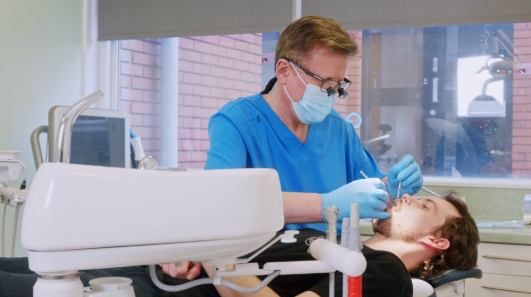
Facial swelling is one of the most common concerns following dental implant surgery. Although it frequently represents a normal response to surgical intervention, its intensity and duration can vary considerably depending on individual healing characteristics and the complexity of the procedure. For patients considering dental implants in Ipswich, understanding how swelling develops and recognising the signs of potential complications can help them approach recovery with greater awareness. At A&L Clinics, implant treatment is supported by digital diagnostic technology, personalised surgical planning and post-operative guidance adapted to each patient’s clinical circumstances.
Why does swelling occur after dental implant surgery?
Following implant placement, the body activates a natural inflammatory response to repair the tissues affected by surgery. During this process, blood vessels become more permeable, allowing fluid and cells involved in healing to accumulate around the surgical site. This temporary accumulation of fluid, known as post-operative oedema, can cause swelling of the gums, cheeks and surrounding facial tissues.
The extent of swelling depends on several factors, including the number of implants placed, the degree of surgical manipulation and whether additional procedures involving the bone have been necessary. Individual characteristics, such as general health and the body’s inflammatory response, can also influence recovery. Swelling alone does not necessarily indicate an infection or implant failure, particularly when it develops during the initial days following surgery and subsequently begins to decrease.
How long does swelling last after a dental implant?
Post-operative swelling generally becomes noticeable during the first 24 hours following implant placement and may continue to increase over the following two or three days. In many cases, its maximum intensity is reached between 48 and 72 hours after surgery. This progression can be consistent with the normal inflammatory response, even when the cheek appears more swollen than it did immediately after the procedure.
From the third or fourth day, swelling should generally begin to decrease. Following relatively straightforward implant surgery, noticeable improvement often occurs within five to seven days, although mild residual swelling or bruising may persist for up to two weeks, particularly after more extensive procedures. These timeframes are indicative rather than universal, and the most important consideration is whether symptoms follow a gradual pattern of improvement.
What influences recovery after dental implants in Ipswich?
The characteristics of the surgical procedure play an important role in determining the extent of post-operative swelling. Placing a single implant may involve a different recovery process from rehabilitating an entire dental arch or performing additional bone regeneration procedures. The amount of tissue involved and the location of the surgical site can also affect the intensity of the inflammatory response.
At A&L Clinics, implant planning is supported by in-house three-dimensional CBCT imaging, which allows clinicians to evaluate bone anatomy and surrounding structures before surgery. The practice also offers flapless implant placement in clinically suitable cases, an approach that may reduce surgical manipulation of the soft tissues. However, minimally invasive techniques do not eliminate the possibility of swelling, and their suitability must always be established through individual clinical assessment.
How can facial swelling be reduced after dental implant surgery?
During the initial recovery period, applying a cold compress externally to the cheek may help manage swelling and discomfort. Cold application can temporarily reduce local blood flow and limit fluid accumulation in the surrounding tissues. Its use is generally most relevant during the first 24 hours following surgery, according to the instructions provided by the treating dentist.
The compress should be wrapped in a clean cloth rather than placed directly against the skin. Intermittent cold application, with periods of approximately 10–15 minutes followed by a break, can help avoid excessive exposure to low temperatures. Continuous application, vigorous facial massage and unverified home remedies should be avoided, as they may irritate the tissues or interfere with recovery. After the initial post-operative period, any changes to these measures should follow professional guidance.
How should patients sleep after dental implant surgery?
Sleeping position can influence comfort during the first few nights following implant placement. Keeping the head slightly elevated may help limit fluid accumulation in the facial tissues, particularly when swelling is already present. An additional pillow can provide support, provided that the position remains comfortable and does not create unnecessary tension in the neck.
Patients should also avoid placing prolonged pressure directly on the operated side of the face. Adequate rest and temporary modification of sleeping habits can support recovery during the initial post-operative period. Strenuous physical activity should generally be avoided during the first few days, as increased blood pressure may contribute to bleeding or discomfort around the surgical site.
What should patients eat after dental implant surgery?
Diet plays an important role in protecting the surgical area while maintaining adequate nutritional intake. During the first few days, soft foods that require minimal chewing can help reduce mechanical pressure on the healing tissues. Yoghurt, scrambled eggs, mashed vegetables and lukewarm soups are examples of foods that may be easier to consume during this period.
Very hot, hard, crunchy or particularly spicy foods may irritate the surgical site and should generally be avoided during the initial recovery phase. Maintaining adequate hydration and balanced nutritional intake also supports the body’s natural healing processes. Patients should gradually return to their usual diet according to the dentist’s instructions, particularly when bone regeneration procedures or immediate implant-supported restorations are involved.
Are antibiotics or anti-inflammatory medications necessary to reduce swelling?
Post-operative swelling does not automatically indicate a bacterial infection and therefore does not always require antibiotic treatment. Antibiotics may be prescribed in specific clinical circumstances, depending on the complexity of surgery, individual risk factors and the presence of signs suggesting infection. They should never be taken independently or obtained from previous prescriptions.
Anti-inflammatory and pain relief medications may be recommended to help manage post-operative discomfort. However, their suitability depends on the patient’s medical history, existing medication use and potential contraindications. Personalised pharmacological guidance is particularly important for individuals with cardiovascular, kidney or gastrointestinal conditions. Following the prescribed instructions is essential, while persistent or worsening swelling should be investigated rather than managed indefinitely with medication.
When can swelling after a dental implant indicate a complication?
Although swelling is frequently part of normal recovery, certain changes may indicate that healing is not progressing as expected. Swelling that continues to increase after the initial three days, returns after an apparent improvement or is accompanied by progressively worsening pain requires professional assessment. Persistent redness, discharge, fever or an unpleasant taste may also suggest the presence of a post-operative infection.
Other warning signs include unexpected mobility of the implant or its restoration and significant difficulty opening the mouth. Prompt dental assessment allows the clinician to distinguish normal inflammation from complications that may require additional care. Rapidly spreading facial swelling, difficulty breathing or difficulty swallowing requires immediate emergency medical attention. Recognising these differences is important because the severity of a complication cannot always be determined from the appearance of swelling alone.
Can good oral hygiene help prevent complications during recovery?
Maintaining a clean oral environment is important following implant surgery, although the surgical site requires particular attention during the early healing stages. Patients should avoid vigorous rinsing during the first 24 hours and follow the dentist’s instructions regarding brushing around the operated area. Any prescribed mouthwash should be used according to professional guidance.
Smoking can negatively affect tissue healing and increase the risk of implant-related complications. Avoiding tobacco exposure and maintaining appropriate post-operative oral hygiene can help create more favourable conditions for recovery. At A&L Clinics, professional oral hygiene forms an important part of implant maintenance, with preventive guidance adapted to the different stages of healing and the patient’s long-term clinical requirements.
Dental implants in Ipswich: recognising normal swelling and supporting recovery
Swelling following dental implant surgery is generally a temporary consequence of the body’s inflammatory response. Its duration and intensity depend on the complexity of the procedure and individual healing characteristics. Appropriate cold application, rest, dietary adjustments and adherence to professional post-operative instructions can help manage discomfort while protecting the surgical area.
At A&L Clinics, implant care combines digital diagnostics, personalised surgical planning and attention to post-operative recovery. Understanding the expected progression of swelling, recognising potential warning signs and maintaining appropriate professional follow-up are important aspects of responsible implant care, supporting the healing process and the long-term health of the tissues surrounding dental implants.


Looking after your health is one of the most important investments you can make. From maintaining good oral hygiene to seeking medical advice when something does not feel right, taking a proactive approach can make a real difference to your overall wellbeing. Although many people only arrange appointments when they experience a problem, regular check-ups and preventative care can help identify potential concerns before they become more complicated.
Access to professional healthcare services also makes it easier to understand your options and make informed decisions. Whether you are considering dental treatment or looking for a more convenient way to access medical advice, knowing what services are available can help you take greater control of your health.
Why Looking After Your Dental Health Matters
Oral health is closely connected to general wellbeing, yet it is often overlooked until discomfort or visible problems develop. Regular dental appointments, good daily hygiene and early treatment can all help maintain healthy teeth and gums.
Missing teeth are one issue that can affect both appearance and everyday activities. Tooth loss may occur for several reasons, including gum disease, injury, decay or ageing. Beyond changing the appearance of a smile, missing teeth can make chewing more difficult and affect the positioning of surrounding teeth.
Fortunately, modern dentistry offers several options for replacing missing teeth. Understanding the available treatments can help patients decide which approach is most suitable for their individual circumstances.
Understanding the Benefits of Dental Implants
Dental implants have become an increasingly popular option for people looking to replace missing teeth. Unlike removable dentures or traditional bridges, implants are designed to provide a fixed replacement that closely resembles the structure of a natural tooth.
The treatment generally involves placing a small titanium post into the jawbone, where it gradually integrates with the surrounding bone. Once healing has taken place, a replacement tooth or crown can be attached to the implant.
For those researching dental implants southampton uk, it is worth understanding the potential benefits before deciding whether the treatment is right for them.
One of the main advantages is stability. Because implants are secured within the jawbone, they can provide a secure foundation for replacement teeth. This can make everyday activities such as eating and speaking feel more comfortable compared with some removable alternatives.
Dental implants can also help support the jawbone. When a natural tooth is lost, the bone in that area may gradually deteriorate due to a lack of stimulation. Implants can help reduce this process by providing stimulation through the jaw during normal chewing.
However, implants are not suitable for everyone. Factors such as general health, gum condition, bone density and lifestyle habits can influence whether someone is a suitable candidate. A professional dental assessment is therefore essential before beginning treatment.
The Importance of Choosing the Right Dental Treatment
Replacing missing teeth is a personal decision, and there is no single solution that works for everyone. Some patients may benefit from a single implant, while others could require multiple implants or an alternative treatment.
Before proceeding, it is important to discuss the expected treatment process, recovery period, potential risks and long-term maintenance requirements with a qualified dental professional.
Patients should also consider the financial commitment involved. Dental implant treatment can require several appointments over a number of months, depending on the complexity of the case and individual healing times.
Taking the time to understand the available options can help patients feel more confident about their decisions and ensure that their chosen treatment supports their long-term oral health.
Making Healthcare More Accessible
Dental care is only one part of maintaining good health. Having access to general medical advice is equally important, particularly when new symptoms develop or an existing concern needs attention.
Busy schedules, work commitments and family responsibilities can sometimes make arranging healthcare appointments difficult. As a result, some people delay seeking advice, even when they know something needs checking.
Access to private healthcare can provide an additional option for people who want greater flexibility when arranging medical appointments.
When to Consider a Private GP Appointment
A general practitioner can help with a wide range of health concerns, from everyday illnesses to ongoing medical conditions. They can assess symptoms, provide advice, arrange appropriate investigations and recommend further treatment where necessary.
For individuals looking into a private gp appointment winchester, private GP services may offer an alternative route to accessing medical support.
Depending on the provider, appointments may be available at different times, helping patients find a suitable slot around their personal and professional commitments. Some services may also offer longer consultations, allowing more time to discuss symptoms, medical history and any concerns.
Private GP appointments can be particularly useful for people seeking an initial assessment, discussing recurring symptoms or obtaining advice about their general health.
It is important to remember that private healthcare does not replace emergency services. Anyone experiencing a serious or potentially life-threatening medical emergency should seek immediate emergency assistance.
Making Your Health a Priority
Maintaining good health involves more than responding to problems when they arise. Regular dental check-ups, appropriate medical advice and healthy everyday habits all contribute to long-term wellbeing.
Whether you are exploring options for replacing missing teeth or looking for a convenient way to speak with a GP, researching available services is a useful first step.
By taking the time to understand your choices and seeking advice from qualified professionals, you can make informed decisions that support your health, confidence and quality of life.
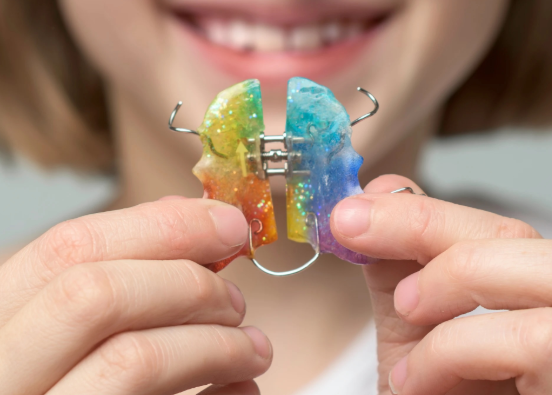
Children’s orthodontic care is not simply about straightening teeth before adolescence. During childhood, the jaws are developing, permanent teeth are gradually emerging and the relationship between the upper and lower dental arches continues to change. Certain problems can be identified during this period, sometimes before they become obvious to parents. For families researching children’s orthodontics in Winchester, understanding the difference between normal dental development and conditions that may require early intervention is particularly important. At Aline Specialists, growth-focused orthodontic assessment helps identify developing bite problems and determine whether treatment or continued observation is appropriate.
At What Age Should a Child Have Their First Orthodontic Assessment?
Children’s teeth and jaws develop at different rates, making chronological age only one factor in deciding when orthodontic assessment is appropriate. Many orthodontic organisations recommend an initial orthodontic evaluation around the age of seven, when a combination of primary and permanent teeth allows certain developmental problems to be identified. However, not every child requires a specialist consultation at precisely this age.
The mixed dentition stage, when baby teeth and adult teeth are present together, provides useful information about jaw relationships, available space and the eruption of permanent teeth. An orthodontist can assess whether developing irregularities are within expected limits or suggest a problem that may benefit from closer monitoring.
Early assessment does not automatically mean that braces or other appliances are needed. In many cases, observation is the most appropriate approach, allowing the clinician to follow growth and dental eruption over time. The purpose is to identify potentially significant problems before the opportunity for certain growth-related treatments has passed.
How Can Parents Recognise Early Signs of Jaw Development Problems?
Some orthodontic problems are visible when a child smiles, while others become apparent only when the teeth come together. A noticeable difference between the upper and lower jaw positions, difficulty bringing the front teeth together or an unusual relationship between the dental arches may indicate a developing bite discrepancy.
Crossbites, pronounced overjets and significant asymmetries are among the conditions that can warrant orthodontic assessment. A child whose lower jaw shifts sideways when closing the mouth may have a functional displacement associated with a narrow upper dental arch. Such movements can be difficult for parents to recognise without a clinical examination.
Other signs include delayed eruption of permanent teeth, early loss of baby teeth or teeth emerging in unexpected positions. These findings do not necessarily indicate a serious problem, but they may justify further investigation. Clinical assessment is essential to distinguish normal developmental variation from conditions requiring intervention, as appearance alone cannot establish the underlying cause.
Children’s Orthodontics in Winchester: When Is Early Treatment Necessary?
Early orthodontic treatment, sometimes called interceptive orthodontics, aims to address selected problems while the teeth and jaws are still developing. Unlike comprehensive orthodontic treatment during adolescence, its purpose is not necessarily to achieve the final alignment of every tooth. Instead, it may focus on a particular developmental concern that could become more difficult to manage later.
The timing of intervention depends on the type of problem. Certain functional crossbites may benefit from correction during childhood, while other conditions can be monitored until more permanent teeth have erupted. Children with prominent upper incisors may also require individual assessment, particularly when there is an increased risk of dental trauma.
Not all early orthodontic treatments reduce the need for future braces. Some children who undergo interceptive treatment will still require comprehensive orthodontics during adolescence. The decision to intervene should therefore be based on a clearly identified clinical benefit, rather than the assumption that earlier treatment is always preferable.
What Is a Narrow Upper Jaw and How Can It Affect Dental Development?
The upper jaw, or maxilla, supports the upper dental arch and contributes to the relationship between the upper and lower teeth. When the upper arch is relatively narrow, there may be insufficient transverse width for an appropriate bite relationship. This can contribute to posterior crossbites, crowding or functional shifts of the lower jaw.
A narrow upper dental arch does not always require expansion. Orthodontists must determine whether the discrepancy involves the position of individual teeth, the underlying skeletal structures or both. The distinction is important because different causes may require different treatment approaches.
In growing children, certain transverse discrepancies can be managed using orthodontic expansion appliances. These devices are designed to produce controlled changes in the upper arch, although the extent and nature of the response depend on the child’s development and the appliance used. Expansion should only be considered when clinically indicated, with treatment objectives based on the individual anatomy rather than a standardised arch width.
How Do Palatal Expanders Work in Growing Children?
A palatal expander is an orthodontic appliance used to increase the width of the upper dental arch in selected patients. Depending on its design, it may be attached to the teeth or supported by other structures. The appliance applies controlled forces intended to produce changes in the upper arch over a prescribed period.
Palatal expansion during childhood can take advantage of ongoing skeletal development, particularly while the midpalatal suture remains responsive to expansion forces. The treatment response varies according to age, skeletal maturity and appliance design. An orthodontist must assess these factors before determining whether expansion is suitable.
Some children experience temporary pressure, changes in speech or increased saliva production while adapting to an expander. A small gap between the upper front teeth may also develop during certain expansion treatments, although this does not occur in every case. Regular clinical monitoring helps assess the response and determine when the active expansion phase should end.
Can Early Orthodontic Treatment Prevent Problems with Permanent Teeth?
The eruption of permanent teeth depends on several factors, including available space, the positions of developing tooth buds and the timing of primary tooth loss. When these processes do not progress as expected, orthodontic assessment may help identify problems before they become more complicated.
Early loss of baby teeth can sometimes affect the space available for permanent teeth, particularly if neighbouring teeth move into the vacant area. In selected circumstances, space maintenance or other interceptive measures may be appropriate. However, the need for intervention depends on which tooth has been lost, the child’s dental development and the position of the underlying permanent tooth.
Early orthodontic care cannot prevent every future alignment problem. Genetic influences, tooth-size discrepancies and continuing jaw development may still create a need for treatment during adolescence. The purpose of early intervention is to address specific risks when a meaningful clinical benefit is expected, rather than to guarantee that permanent teeth will erupt in ideal positions.
How Are Children’s Growth and Tooth Eruption Monitored?
Monitoring dental development involves examining changes in tooth eruption, jaw relationships and bite function over time. Orthodontists may compare clinical findings from successive appointments to determine whether a developing discrepancy is improving, remaining stable or becoming more pronounced. This process can be particularly useful when immediate treatment is unnecessary.
Digital scans and appropriate diagnostic imaging can provide additional information when clinically justified. Intraoral scans help document tooth positions and dental arch relationships, while radiographs may be required to investigate unerupted teeth or other developmental concerns. Imaging should be selected according to clinical need rather than performed routinely without justification.
At Aline Specialists, children’s orthodontic care is provided by Specialist Orthodontists Dr Damon Taheri, Dr Ramtin Taheri and Dr Ilias Marinopoulos. The practice’s approach includes assessment of facial growth, jaw development and developing bite discrepancies, supported by digital technology where appropriate. Individual growth monitoring helps determine whether a child would benefit from treatment or continued observation.
What Happens After Early Orthodontic Treatment?
Completing interceptive treatment does not necessarily mark the end of a child’s orthodontic care. The jaws continue developing, additional permanent teeth erupt and dental relationships may change during adolescence. Follow-up assessments can therefore be important even when an initial problem has been corrected.
The need for further treatment depends on subsequent dental development. Some children may require comprehensive orthodontics once most permanent teeth have erupted, while others may not need additional intervention. The outcome of early treatment and the child’s remaining growth help inform these decisions.
Where appropriate, retention appliances may be used to maintain changes achieved during the initial treatment phase. Their design and duration depend on the correction performed and the child’s developmental stage. Long-term observation supports informed decisions about future care, without assuming that every child will require a second course of orthodontic treatment.
Children’s Orthodontics in Winchester: Understanding the Value of Growth-Focused Care
Children’s orthodontic assessment provides an opportunity to understand how the teeth and jaws are developing before all permanent teeth have emerged. Identifying crossbites, transverse discrepancies and eruption problems at an appropriate stage can help clinicians determine whether early intervention offers a meaningful benefit.
At Aline Specialists, specialist-led assessment of dental and facial development forms the basis of an individualised approach to children’s orthodontics. The emphasis is on recognising conditions that may benefit from treatment while avoiding unnecessary intervention when observation is sufficient. The appropriate timing of orthodontic care depends on each child’s development, making careful assessment and continued monitoring important throughout the transition from primary to permanent dentition.

What Does the Port Sudan Authorities’ Loss of Their Seat on the OPCW Executive Council Mean?

What to Expect From Professional SEO Services in Singapore

What Owners of Victorian and Edwardian Homes in Sydenham Should Know Before Renovating

Who Is Rita Johal? All About Riyad Mahrez’s Former Wife and Her Story

Who Is Caroline Hickman? Story of Caroline Hickman, Steve Coogan’s Ex Wife

The Life of Giselle Glasman: Actress, Theatre Publicist, and Lennie James’ Wife
-
 Celebrity5 months ago
Who Is Rita Johal? All About Riyad Mahrez’s Former Wife and Her Story
-
 Celebrity5 months ago
Who Is Caroline Hickman? Story of Caroline Hickman, Steve Coogan’s Ex Wife
-
Celebrity6 months ago
The Life of Giselle Glasman: Actress, Theatre Publicist, and Lennie James’ Wife
-

 Celebrity5 months ago
Who is Sarah Vincent? All About Vic Reeves’ Ex Wife and Their Children
-

 Celebrity5 months ago
Who Was Carolyn Cox? Biography of Nigel Havers’ Ex Wife
-

 Celebrity5 months ago
Who is Eleasha Hamed? Boxing Legend Naseem Hamed’s Wife
-

 Celebrity5 months ago
Who Is Annie Milner? Untold Story of Paul McGann’s Former Wife
-

 Celebrity5 months ago
Who Is Kate Byrne? Life Story of Oliver Reed’s First Marriage