
Technology
Small London Homes, Shorter Commutes: Why Foldable E-Bikes Appeal to Urban Professionals

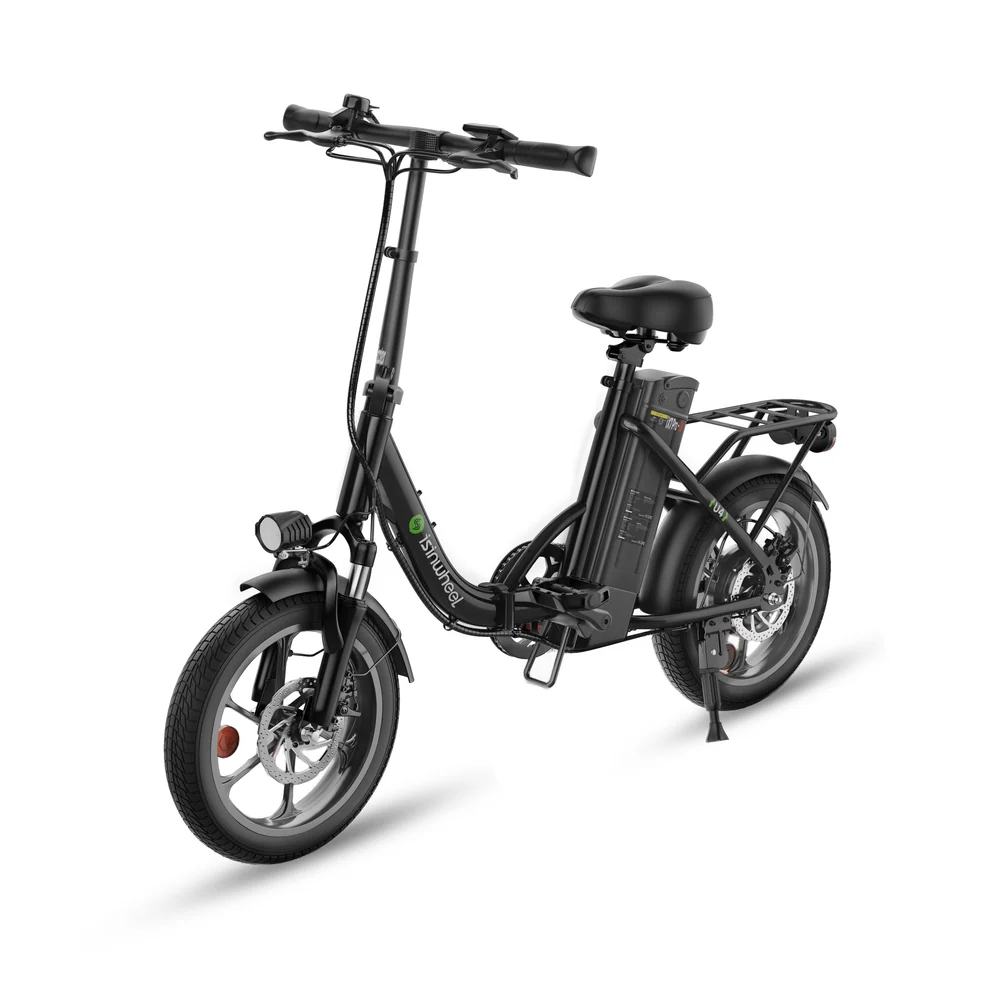
Living and working in London often means balancing limited living space with the demands of a busy professional schedule. From compact apartments and shared accommodation to crowded public transport and congested roads, urban life requires practical solutions that make everyday routines more manageable. For professionals seeking greater flexibility in how they travel, foldable commuter electric bike are becoming an attractive alternative to traditional commuting methods.
Combining electric pedal assistance with a space-saving design, these bicycles offer a convenient way to navigate the city without the storage challenges associated with conventional bikes. They can also make it easier to combine cycling with public transport, helping commuters adapt their journeys to changing schedules and destinations.
As Londoners look for transportation options that suit both their living arrangements and working lives, foldable e-bikes offer a practical balance of portability, convenience, and everyday functionality.
Making the Most of Limited Living Space
Space is a significant consideration for many London residents. Smaller flats, shared homes, and limited storage facilities can make owning a traditional bicycle inconvenient. Leaving a bike in a hallway may obstruct access, while outdoor storage can expose it to theft and weather damage.
Foldable electric bikes address some of these challenges through compact storage. Their folding frames allow riders to reduce the bicycle’s overall footprint when it is not in use, making it easier to store in a cupboard, under a desk, or in a suitable corner of a flat.
This feature can be especially useful for professionals who do not have access to a dedicated garage, secure cycle store, or spacious entrance hall.
However, portability depends on more than the folded dimensions. Electric bikes can be relatively heavy because of their motors and batteries, so it is worth checking the total weight, folding mechanism, and ease of carrying before purchasing. A model that folds neatly but is difficult to lift may not be ideal for homes with multiple flights of stairs.
For people living in compact London properties, choosing a bike that fits their actual storage arrangements can make the difference between a convenient purchase and an everyday inconvenience.
Making Daily Commutes More Flexible
London’s transport network provides extensive travel options, but commuting can still involve crowded trains, delayed services, busy roads, and transfers between different forms of transport. An electric bicycle can give professionals another way to manage these challenges.
Electric pedal assistance helps riders travel with less physical effort than conventional cycling may require, particularly over longer distances or on routes with inclines. This can make cycling more appealing to people who want to arrive at work without feeling overly tired.
A foldable design adds another layer of flexibility. Depending on transport operator policies, commuters may be able to incorporate a folding bicycle into part of a rail journey or store it conveniently at their destination.
For example, someone living several kilometres from a railway station might cycle to the station, continue by train, and then use the bike for the final part of the journey. This approach can reduce reliance on cars and provide more options when a direct public transport connection is unavailable.
London transport operators have specific rules concerning bicycles, folding bikes, and electric-bike batteries. Commuters should check the latest requirements for their usual services rather than assuming that every model can be carried at all times.
Reducing the Stress of Urban Travel
For many professionals, the value of a commuting option lies not simply in speed but in predictability and convenience.
Driving in London can involve congestion, parking expenses, and restrictions that make short journeys less straightforward. Public transport can be efficient, but crowded services and disruptions may complicate certain routes.
An electric bike gives riders greater control over their departure times and route choices. They can travel along suitable cycle lanes, avoid some traffic bottlenecks, and make local stops without searching for parking.
Of course, cycling is not automatically faster than every alternative. Journey times depend on distance, road conditions, cycling infrastructure, weather, and traffic. Nevertheless, for suitable urban routes, an e-bike can offer a useful combination of flexibility and independence.
A foldable model is particularly appealing to professionals who need to move between several locations during the working day. It can support journeys to meetings, coworking spaces, local businesses, and transport hubs without requiring a full-size bicycle storage area.
The Practical Benefits of Electric Assistance
One reason electric bikes appeal to urban professionals is their ability to make regular cycling more manageable. Pedal assistance provides additional power while the rider pedals, helping reduce the effort required for acceleration and climbing hills.
This can be useful when travelling through London’s varied streets, especially for commuters who face longer routes or prefer not to arrive at the office overheated.
Electric assistance also allows riders to adjust their effort according to the conditions. A lower assistance setting may be suitable for a relaxed ride, while a higher setting can provide extra support when needed, within the bike’s permitted operating limits.
Battery range should be considered carefully, particularly for people who intend to use their bikes every working day. Advertised ranges are generally based on particular testing conditions, and actual performance can vary according to rider weight, terrain, temperature, wind, tyre pressure, and assistance level.
A sensible approach is to calculate the expected round-trip distance and choose a model with sufficient range to accommodate everyday variations. Charging convenience matters too: commuters should consider whether the battery can be removed for charging and whether they have a suitable place to charge it safely.
Balancing Portability with Comfort
Although folding mechanisms make electric bikes easier to store, the compact design can involve trade-offs. Smaller wheels, different frame geometry, and a heavier battery can influence the way a bicycle feels during everyday riding.
For urban professionals, comfort should remain a priority. A suitable model should provide a stable riding position, responsive brakes, reliable tyres, and controls that are easy to use in busy environments.
Wheel size can affect handling and the way the bike responds to road imperfections. Smaller wheels can contribute to a compact folded design, while larger wheels may roll more comfortably over certain uneven surfaces. The best option depends on the rider’s route and storage requirements.
Other features can improve the daily experience. Mudguards help reduce splashes in wet weather, integrated lights improve visibility, and a rear rack or suitable luggage attachment makes it easier to carry work essentials.
Before buying, test the folding mechanism and ride the bike if possible. Check how easily it can be folded, whether the folded package is manageable, and whether the riding position remains comfortable over the distances you expect to travel.
Understanding the Cost of Ownership
London living expenses can make transportation costs an important part of a professional’s monthly budget. An electric bike may help reduce spending on certain journeys, particularly when it replaces regular taxi trips, car journeys, or other paid transport.
Charging costs are generally low compared with the fuel expenses associated with driving. However, the financial benefits depend on how frequently the bike is used and which transportation costs it replaces.
The initial purchase price is only one part of the equation. Buyers should also consider battery replacement, tyre maintenance, brake servicing, security accessories, and repairs.
A quality lock is especially important in a city where bicycle theft is a concern. Depending on individual circumstances, insurance and secure storage may also be worth considering.
When comparing models, look beyond the advertised price. A bike with accessible replacement parts, a dependable warranty, and reliable after-sales support may provide better long-term value than a cheaper option with limited servicing arrangements.
Safety and Security in London
Safety is essential when choosing any bicycle for urban commuting. London riders may encounter busy junctions, buses, parked vehicles, pedestrians, and changing road conditions, making predictable handling and effective braking particularly important.
Look for a reliable braking system, suitable tyres, front and rear lights, and a sturdy frame. A properly fitted helmet, reflective clothing, and a route that prioritises suitable cycling infrastructure can further support safer journeys.
Riders should also familiarise themselves with local cycling rules and the legal requirements for electric bicycles in the UK. In particular, electrically assisted pedal cycles must meet the applicable requirements concerning motor assistance, power, and assisted speed to qualify for ordinary bicycle treatment under the relevant rules. Other electric two-wheelers may be subject to different requirements.
Security deserves equal attention. A folding bike may be easier to store indoors, reducing the time it spends unattended in public spaces. When indoor storage is unavailable, use a suitable lock and secure the bicycle to an appropriate fixed object where permitted.
Battery charging should follow the manufacturer’s instructions. Use the recommended charger, avoid damaged batteries, and follow appropriate fire-safety guidance when charging or storing lithium-ion batteries.
Why Foldable E-Bikes Suit Modern Professional Lifestyles
The appeal of folding electric bikes extends beyond commuting alone. They can support a lifestyle in which people move between home, work, social activities, and public transport throughout the week.
For professionals who work hybrid schedules, a folding e-bike can provide a convenient option for the days they travel to the office. It can also be useful for local errands, short trips to shops, and journeys to leisure activities without requiring a car for every outing.
Their compact design may make them easier to accommodate in shared workplaces or smaller homes, provided suitable storage is available. Electric assistance can also make regular cycling feel more achievable for people who have not cycled consistently for years.
The key is choosing a model that reflects the reality of everyday life. A commuter who regularly carries a bike upstairs may prioritise low weight, while someone travelling longer distances may value battery range and riding comfort more highly.
There is no single model that suits every London professional. The most practical choice is one that balances portability, performance, safety, and ease of maintenance.
Choosing the Right Foldable Electric Bike
Before making a purchase, consider how the bike will fit into your commute and living arrangements.
Start by measuring your available storage space and checking the bike’s folded dimensions. If you need to carry it up stairs or onto public transport, assess its weight and folding process rather than relying on product photographs alone.
Next, calculate your usual journey distance and compare realistic battery range, charging time, and motor assistance. Consider whether you will ride primarily on smooth roads, uneven streets, or routes with frequent inclines.
Check the availability of servicing, replacement batteries, and spare parts in your area. Review the warranty carefully and confirm that the model meets applicable UK requirements for the intended use.
Finally, evaluate practical accessories, including lights, mudguards, luggage solutions, and a secure lock. These details can have a greater impact on everyday convenience than features that look impressive but offer little benefit to your actual routine.
Conclusion
London professionals need transportation solutions that work within the realities of city living. Limited storage space, busy public transport, traffic congestion, and demanding schedules all influence how people travel between home and work.
Foldable electric bikes offer a practical response to these challenges by combining compact storage with motor-assisted cycling. They can make commuting more flexible, complement public transport, and provide a convenient option for short urban journeys.
For anyone considering a foldable commuter electric bike, the most important factors are realistic battery range, manageable weight, comfortable handling, reliable safety features, and convenient maintenance. Taking time to evaluate these details helps ensure that the bicycle fits both the commute and the home.
Ultimately, the appeal of a folding e-bike is not simply that it takes up less space. It is the freedom to adapt everyday journeys to a busy professional lifestyle while making better use of limited living space and available transportation options.

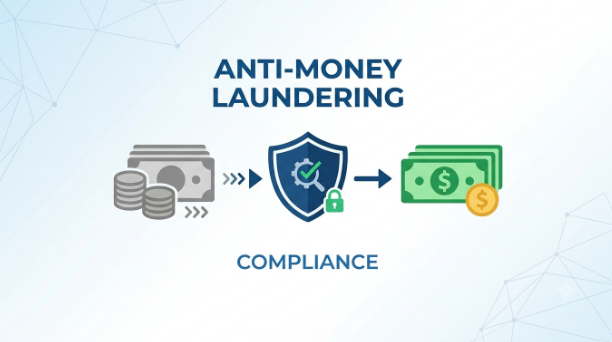
Artificial intelligence is transforming how financial institutions detect suspicious activities, assess customer risks, and manage regulatory obligations. However, employees may start using unapproved AI applications to analyze data, summarize reports, or speed up investigations without informing their compliance departments. This practice, known as Shadow AI, creates new challenges for financial institutions.
Shadow AI in AML operations can expose confidential customer information, produce unreliable risk assessments, and weaken established compliance procedures. Strong AI governance helps organizations control these risks while allowing employees to benefit from approved technologies.
What Is Shadow AI in AML Compliance?
Shadow AI refers to the use of artificial intelligence tools without formal authorization, security reviews, or organizational oversight. Employees may use public AI chatbots, automated research platforms, or other applications to complete routine compliance tasks more efficiently.
In anti-money laundering departments, these activities might include reviewing suspicious transaction reports, researching customer backgrounds, or summarizing investigation documents. Although such tools can improve productivity, entering sensitive financial information into unapproved applications may expose confidential data.
The growing use of AI in AML makes governance essential. Without clear rules, organizations may struggle to determine which tools employees use, how customer information is processed, and whether AI-generated findings can be trusted.
Why Shadow AI Risks Matter for AML Teams
Financial institutions handle sensitive information and operate under strict compliance requirements. Unauthorized AI applications can introduce security vulnerabilities, inconsistent decision-making, and gaps in regulatory oversight.
One significant concern is data privacy. Employees might unknowingly share customer identification documents, transaction histories, or suspicious activity details with external platforms. These actions can create confidentiality issues and expose institutions to potential legal and regulatory consequences.
Another concern involves inaccurate outputs. AI systems can generate misleading explanations, overlook relevant details, or present unsupported conclusions. If investigators rely on these outputs without verification, suspicious activity may be overlooked or legitimate customers may be incorrectly classified as high-risk.
Shadow AI in cybersecurity also presents broader operational challenges. Unmonitored applications can introduce third-party vulnerabilities, unauthorized data transfers, and access-control weaknesses that traditional security procedures may not adequately address.
How AI Governance Helps Control Shadow AI
AI governance establishes clear policies, responsibilities, and monitoring procedures for the responsible use of artificial intelligence. Rather than prohibiting every AI application, financial institutions should create a controlled environment in which employees can use approved technologies safely.
Effective governance begins with identifying existing AI usage. Organizations can review software inventories, access logs, and application activity to identify unauthorized tools. This visibility helps compliance and security teams understand where potential vulnerabilities exist.
Institutions should also establish clear rules covering acceptable AI use, data handling, human oversight, and accountability. Employees need to understand which applications are approved and which types of information must never be entered into external systems.
A practical governance framework should include these measures:
- Maintain an approved AI inventory: Record authorized applications, their purposes, and the teams permitted to use them.
- Protect sensitive information: Establish restrictions on sharing customer records, transaction data, and confidential investigation details.
- Conduct regular risk assessments: Evaluate AI applications for privacy, security, reliability, and compliance concerns before deployment.
- Train employees: Explain the risks of unauthorized AI usage and provide secure alternatives for everyday tasks.
- Monitor and review usage: Investigate unusual activity, reassess permissions, and update policies as technology evolves.
These measures help institutions reduce Shadow AI risks without unnecessarily limiting responsible innovation.
Strengthening Transaction Monitoring With Governed AI
Transaction monitoring is an important component of AML compliance. Financial institutions use monitoring systems to identify unusual payment patterns, potentially suspicious transfers, and activities that require further investigation.
When employees use unapproved AI tools to interpret transaction alerts or summarize case information, the organization may lose control over sensitive data and investigative decisions. Unverified AI outputs can also introduce errors into case documentation.
Governed AI adoption allows compliance teams to use automation within established controls. Approved AML tools can support alert prioritization, data analysis, and investigation workflows while maintaining access restrictions and audit trails.
Effective AML transaction monitoring still requires appropriate rules, reliable data, and qualified human review. AI should support investigators rather than independently determine whether suspicious activity is legitimate or whether a customer should be reported.
Building a Responsible AI Culture
Technology controls alone cannot eliminate Shadow AI. Employees often turn to unauthorized applications because approved systems are difficult to use, slow, or unavailable for particular tasks.
Organizations should therefore involve compliance officers, cybersecurity specialists, IT teams, and business departments when developing AI policies. Providing practical alternatives can reduce the incentive to bypass established procedures.
Financial institutions can also establish reporting channels that allow employees to disclose unauthorized AI usage without fear of disproportionate punishment. This approach helps organizations identify problems early and improve their governance practices.
Conclusion
AI governance is essential for controlling unauthorized technology use while preserving the benefits of artificial intelligence in financial crime prevention. Clear policies, employee education, application monitoring, and human oversight can help institutions address Shadow AI security concerns and protect sensitive customer information.
As AI adoption expands, financial institutions need compliance frameworks that evolve alongside emerging technologies. Solutions from AML Watcher can support AML screening and compliance workflows, helping institutions strengthen their broader financial crime prevention efforts. Combining appropriate AML tools with responsible AI governance creates a more secure and accountable compliance environment.
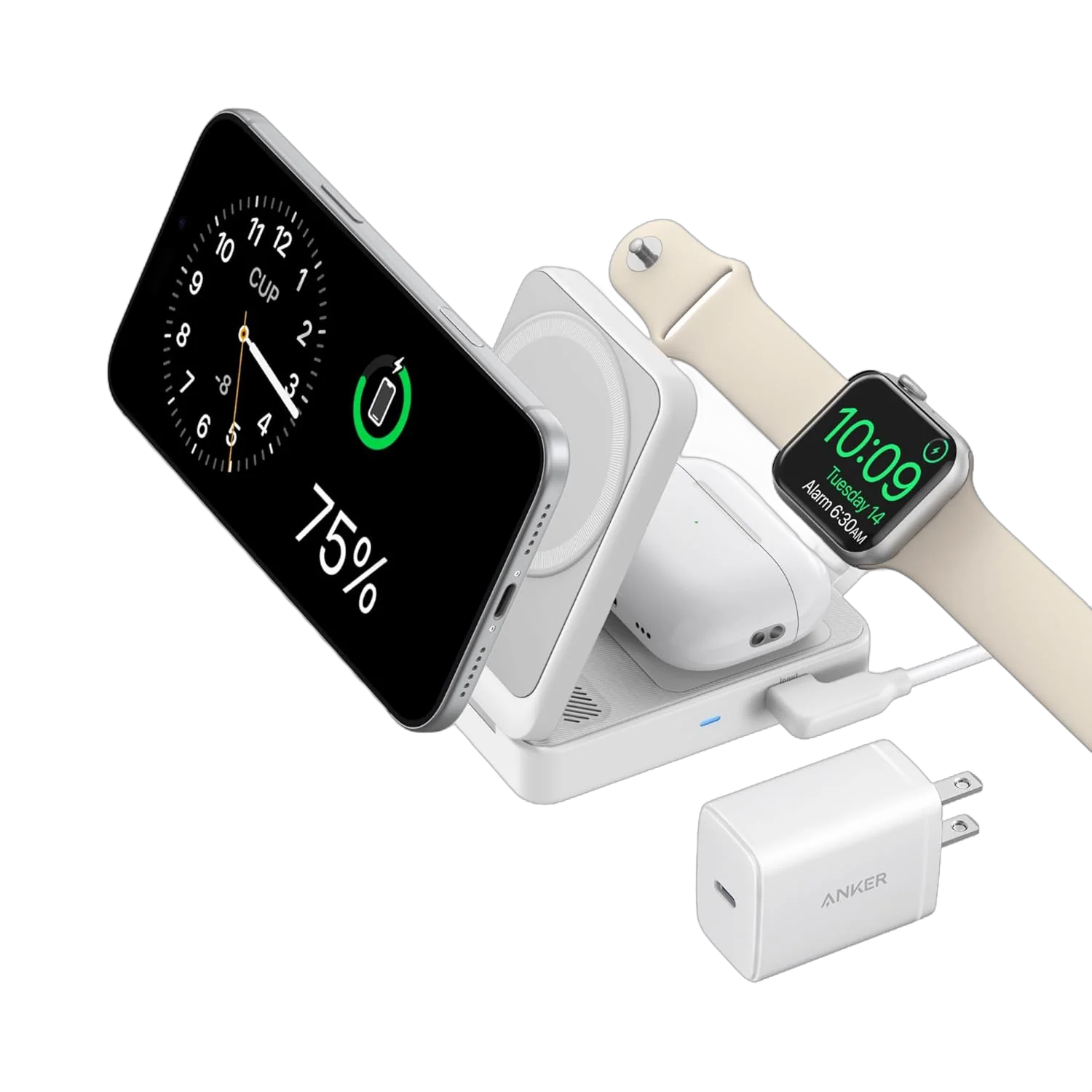
Picking out a proper accessory for charging an iPhone is very important since it allows one to ensure their smartphone is fully charged throughout the day. With the popularity of wireless chargers growing, the apple magsafe charger provides a perfect possibility to charge compatible iPhones using a cable-free option. In addition, due to the magnetic feature, the charging device can be aligned properly with the back side of an iPhone, which creates a convenient experience of charging the device. The choice of an appropriate model, the speed of charging, and many other aspects make the process of choosing the perfect iphone charger somewhat complicated.
Know Why the Apple MagSafe Charger Is Important
It is important to understand why the apple magsafe charger is important as it brings wireless charging along with magnetic attraction into one unit. In the process of charging, instead of attaching the charger to your phone through a cable, the charger is placed on the rear side of the phone. The function of the magnets here helps keep the charger in place. This helps eliminate the problem of misalignment when using wireless charging. A good magsafe charger can also help in keeping your work area clean and free from cables. This makes using the magsafe charger easy for those who use their phones constantly through the day.
Check Your iPhone for Compatibility with MagSafe Charger
Prior to purchasing an Apple magsafe charger, make sure that your iphone can be charged by means of magsafe technology. The compatibility is dependent on the generation of iphone you have since some of them don’t have the capability to be charged magnetically at the same wireless charging speeds. Some of the newer iPhones would allow improved charging when used with a particular adapter and charging accessories. Older iphones that have the ability to charge wirelessly may need another configuration for magnetic alignment. You also need to take into account the type of your case since thick cases and those with poor magnetic compatibility will hinder charging.
Think About the Charging Speed and Power Capacity Required
The charging speed should also be considered while comparing magsafe chargers. Different iphones and charger versions have different maximum speeds for charging wirelessly, so it could happen that not all devices are able to work with the maximum charging speed offered by the charger. Moreover, a power adapter should be taken into account since it is needed for the charger to perform as intended. Read the recommendations from Apple regarding your particular iphone and choose the proper USB-C power adapter with the necessary capacity. Note that the speed of charging depends on such factors as battery level, temperature, and phone activity. While for night charging it is enough to choose a convenient charger, an appropriately powered one would come in handy for your busy schedule.
Examine Build Quality and Safety Aspects
The best charging equipment must be durable and functional. Check whether the cable and its connector are good enough to purchase it. Apple products and certified accessories may lower the dangers from low-quality chargers. Stay away from low-priced devices that lack information about their technical details and safety requirements. In addition, make sure to use an appropriate power adapter as well as ensure proper ventilation for the place where the charger is located. Charging may be affected by the high temperature, so you should not cover the charger with thick materials during charging. The quality of iphone chargers must work well each day.
Comparison of Design, Portability, and Ease of Use
The most suitable magsafe charger is supposed to blend in well with your daily routine. While those who tend to charge their iPhones at home do not require anything more than a conventional charging cable, those who need to travel a lot can benefit from a portable model. The factors such as the cable length, the ease of storing the device, its ability to conveniently sit on your desktop or bedside table are worth taking into consideration. Some people might like the idea of using a charging stand which would allow one to keep the screen in view during charging, but this type of charger can have different capabilities.
Choose a Reputable Vendor and Consider Warranty Information
The choice of a reputable vendor is one of the important aspects of selecting the magsafe charger for your Apple device. Prior to purchasing the product, consider aspects such as product description, compatibility, warranty information, as well as the opportunity of returning the product. The official Apple accessories are available either at Apple itself or at reputable vendors, while any compatible third-party accessory should have all the information on its certification. Pay particular attention to the customer feedback on the product’s reliability and potential problems such as overheating and low-quality cable.
Closing Remarks
The process of picking the right magsafe charger from the numerous apple magsafe chargers available for iphone entails taking into account several important things when it comes to compatibility, charging speeds, durability, portability, and the credibility of the seller. It is important to understand why it is vital to align the magnets in order to feel how convenient wireless charging can be, and it is important to know what type of device you have to choose the right iphone charger.

6 Key Qualities to Look for in a High-Quality Greens Supplement

Top Reasons to Consider Cosmetic Surgery in Turkey

Why Does My Car Make a Humming Noise at High Speeds?

Who Is Rita Johal? All About Riyad Mahrez’s Former Wife and Her Story

Who Is Caroline Hickman? Story of Caroline Hickman, Steve Coogan’s Ex Wife

Who is Sarah Vincent? All About Vic Reeves’ Ex Wife and Their Children
-
 Celebrity4 months ago
Who Is Rita Johal? All About Riyad Mahrez’s Former Wife and Her Story
-
 Celebrity4 months ago
Who Is Caroline Hickman? Story of Caroline Hickman, Steve Coogan’s Ex Wife
-
 Celebrity4 months ago
Who is Sarah Vincent? All About Vic Reeves’ Ex Wife and Their Children
-
 Celebrity4 months ago
The Life of Giselle Glasman: Actress, Theatre Publicist, and Lennie James’ Wife
-

 Celebrity4 months ago
Who Was Carolyn Cox? Biography of Nigel Havers’ Ex Wife
-

 Celebrity4 months ago
Who Is Annie Milner? Untold Story of Paul McGann’s Former Wife
-

 Celebrity4 months ago
Story of Merula Salaman and Her Life with Alec Guinness
-

 Celebrity4 months ago
Who is Eleasha Hamed? Boxing Legend Naseem Hamed’s Wife