
Celebrity
Who Was Minnie Ruth Solomon? The Full Story of Jesse Owens’ Wife

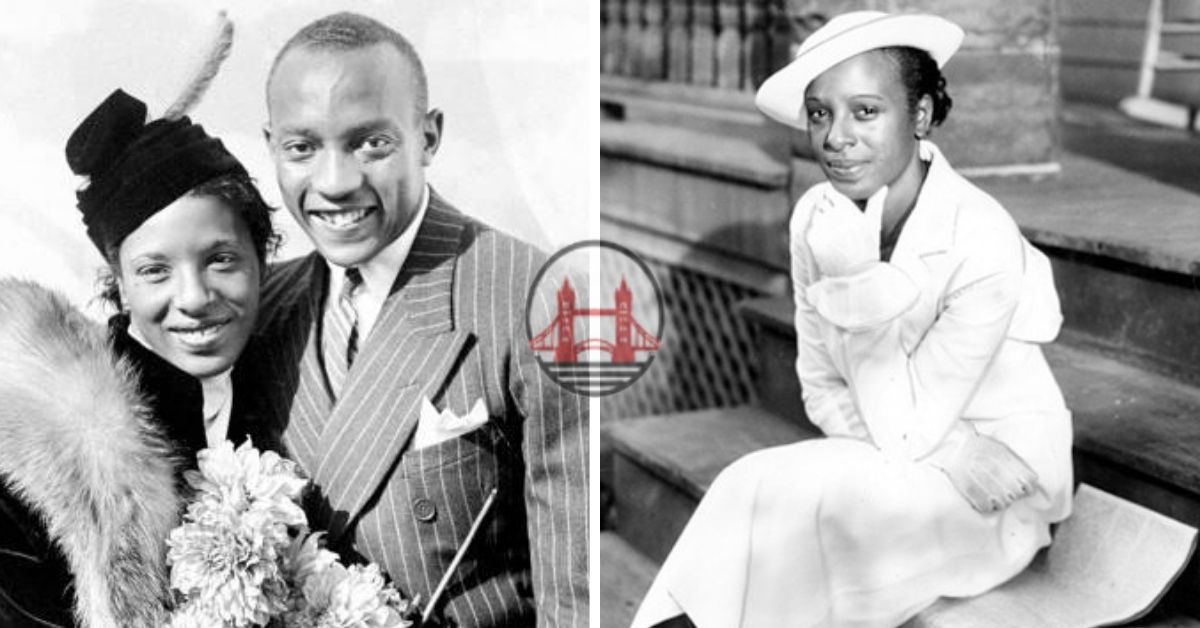
In August 1936, Minnie Ruth Solomon could not afford to travel to Berlin. So while her husband, Jesse Owens, won four Olympic gold medals under the eyes of Adolf Hitler’s government, Ruth remained in the United States with their young daughter.
She did not stay far from the story for long.
When Jesse sailed home aboard the Queen Mary, Ruth and his parents boarded a tugboat and traveled 12 miles into New York Harbor to meet him. More than four decades later, after his death, she spent 21 years leading the foundation created in his name. Under its scholarship program, hundreds of young people received help with college.
That contrast explains Ruth better than the usual label of “Jesse Owens’ wife.” She was present before the medals, during the hard years that followed, and long after the cheering stopped.
Quick Facts
| Detail | Information |
|---|---|
| Full name | Minnie Ruth Solomon Owens |
| Commonly known as | Ruth Owens |
| Birth | April 27, 1915 |
| Birthplace | Georgia, United States |
| Husband | Jesse Owens |
| Marriage date | July 5, 1935 |
| Children | Gloria Owens Hemphill, Marlene Owens Rankin, Beverly Owens Prather |
| Known for | Leading the Jesse Owens Foundation |
| Foundation service | Board chairwoman for 21 years |
| Death | June 27, 2001 |
| Age at death | 86 |
| Cause of death | Heart failure |
| Deathplace | Hyde Park, Chicago, Illinois |
Who Was Minnie Ruth Solomon?
Minnie Ruth Solomon was the childhood sweetheart, wife, and long-term partner of Olympic runner Jesse Owens. Yet her public contribution became clearest after Jesse died.
For years, Ruth helped manage the private side of a life shaped by travel, racial barriers, unstable income, and public attention. After 1980, she became chairwoman of the Jesse Owens Foundation. She raised funds, attended memorial events, supported scholarships, and helped decide how her husband’s name could be used in films and commercial projects.
Her daughter Marlene later described her as the person at the center of protecting Jesse’s reputation. That work was not decorative. Ruth treated the legacy almost like family property that had to be guarded, explained, and used with care.
A Georgia Childhood Followed by a Move to Cleveland
Ruth was born in Georgia in 1915. Her family later moved north to Cleveland, Ohio, where she attended Fairmount Junior High School.
That move placed her inside one of the busiest industrial cities in the Midwest. Cleveland had attracted many Black Southern families seeking jobs and greater freedom. Yet segregation and racial bias did not disappear at the Ohio border.
At Fairmount, Ruth met a slim young runner named James Cleveland Owens. Most people knew him as Jesse. He was about 15, while Ruth was around 13. The two dated through their school years, before newspaper writers or Olympic officials knew his name.
Their relationship began in ordinary surroundings. No stadium. No gold medals. Just two teenagers in Cleveland.
Ruth and Jesse Owens Became Young Parents
Their first daughter, Gloria, was born in 1932. Ruth was still very young, and Jesse was trying to turn his speed into a path through school.
The situation forced both of them to grow up fast.
Jesse enrolled at Ohio State University in 1933. The school did not provide him with an athletic scholarship, despite his exceptional ability. He worked as an elevator operator, waiter, gas station attendant, library worker, and statehouse page while training and attending classes. Ruth left school and worked at a Cleveland beauty parlor while living with her parents and caring for Gloria.
And they often lived apart.
Jesse spent long periods in Columbus or traveling to competitions. Ruth remained in Cleveland, earning money and looking after their daughter. It was an early pattern in their relationship: Jesse traveled, while Ruth kept the household steady.
Their Cleveland Wedding Came in 1935
Minnie Ruth Solomon married Jesse Owens in Cleveland on July 5, 1935. Photographs from the day show the young couple applying for a marriage license and taking their vows.
The timing was striking.
Only weeks earlier, Jesse had produced one of the greatest afternoons in track history. On May 25, 1935, he tied one world record and broke three more during the Big Ten championships in Ann Arbor, Michigan. He was becoming a national sports figure. At home, however, he and Ruth were still young parents worried about jobs, housing, and money.
The couple later had two more daughters. Marlene Owens Rankin was born in 1937, followed by Beverly Owens Prather in 1940. Gloria and Marlene later attended Ohio State, where Marlene became the university’s first Black Homecoming Queen in 1960.
Why Ruth Owens Did Not Attend the Berlin Olympics
Jesse left for the 1936 Berlin Olympics as a young husband and father. Ruth stayed behind with Gloria because the couple could not afford another ticket to Germany.
From home, she watched his name become part of world history.
Jesse won gold in the 100-meter sprint, 200-meter sprint, long jump, and relay. His performance directly challenged the racial claims promoted by Nazi Germany. But Ruth later said Jesse had been focused on earning his place on the Olympic team, not on becoming a political symbol.
That view complicates the polished version of the story. Jesse went to Berlin to compete. The larger meaning came from what his victories exposed.
Ruth’s absence also reveals the family’s finances. Jesse may have been the fastest runner in the world, but his wife could not afford to watch him run.
The Tugboat Meeting in New York Harbor
Ruth’s reunion with Jesse produced one of the finest details in their story.
When the Olympic team returned aboard the Queen Mary, Ruth and Jesse’s parents did not wait at the dock. They boarded a tugboat and traveled about 12 miles into New York Harbor to join him before the ship arrived.
New York later gave Jesse a ticker-tape parade. During the celebration, an unidentified person handed him a paper bag containing $10,000 in cash. According to Ruth, he became so distracted by the crowds that he did not examine the bag until he was leaving the car.
The welcome was huge. The opportunities that followed were not.
Jesse returned to a segregated country where Olympic fame did not guarantee stable work. He took exhibitions, business jobs, speaking engagements, and at times raced horses or vehicles for money. Ruth and the children lived through that uncertainty with him.
Racism Followed the Owens Family Home
The trip to Nazi Germany dominates most accounts of Jesse Owens. Yet Ruth witnessed racial danger much closer to home.
Later in 1936, she traveled with Jesse through Mississippi while he campaigned for Republican presidential candidate Alf Landon. Ruth became worried enough to ask him not to speak. Because hotels and restaurants refused service to Black travelers, the couple sometimes had to sleep and eat on railroad cars.
It was a bitter contradiction.
Jesse had been praised for embarrassing Hitler’s racial theories. Back in the United States, he and Ruth could still be denied a room or a meal because they were Black.
Ruth rarely presented herself as a political figure. Still, her memories help correct the simpler version of the Owens story. Berlin was not the only place where race shaped their lives.
Raising Gloria, Marlene, and Beverly
The Owens family eventually settled in Chicago. Ruth and Jesse lived there for more than 20 years while raising their three daughters.
Their home life remained more private than Jesse’s public career. In a 2024 interview, Marlene and Beverly said they did not fully understand their father’s fame while growing up. Ruth shared some parts of his story but avoided details that might frighten or burden them.
That choice says a lot about her parenting.
She wanted the girls to know their father first as “Daddy,” not as a symbol carrying the weight of sports, race, and national history. Marlene recalled that even when Jesse was traveling, Ruth made sure his presence could still be felt at home.
The family’s normal life did not always match the public image. At a 1950 testimonial dinner, the daughters saw how strangers treated their father. They dressed up, entered a grand hotel, and began to grasp that the man they knew at home belonged to a much larger story.
A Marriage Built Around Long Separations
Ruth and Jesse remained together until his death on March 31, 1980. From their July 1935 wedding, the marriage lasted almost 45 years.
Some later obituaries incorrectly described the marriage as lasting 48 years. The dates themselves make the shorter figure clear. They had, however, known each other since junior high and had already become parents before marrying. That longer relationship may explain the repeated number.
Their marriage included extended separations caused by college, athletic tours, public-speaking work, and international travel. It also survived financial trouble and failed business ventures.
By the early 1970s, after their daughters had grown, Ruth and Jesse left Chicago for Scottsdale, Arizona. Jesse was diagnosed with lung cancer in late 1979 and died three months later at age 66.
Ruth Owens Took Control of the Jesse Owens Foundation
Jesse’s death did not push Ruth out of public life. It pulled her further into it.
Friends, admirers, and family members contributed money after his death. Those funds helped establish the Jesse Owens Foundation in 1980. Ruth became its board chairwoman and active fundraiser, serving in that position for 21 years.
The foundation did not focus only on elite athletes. It offered support to young people with potential, including students who showed community involvement but might not have perfect academic records.
By the time of Ruth’s death, more than 270 students had received four-year scholarships worth $2,000. Her daughter Marlene reported that 97% of recipients had completed college.
Those numbers give Ruth’s later life a shape beyond ceremonies and memorial plaques. She helped turn public admiration for Jesse into tuition support for real students.
Her Work Went Beyond One Foundation
Ruth also served as an ambassador for the ARCO/Jesse Owens Games, a national youth track program linked to scholarships. The events gave children a chance to compete while connecting Jesse’s name with access and education.
After his death, she took over his seat on the board of Up With People, an educational organization promoting cooperation between cultures. Under her leadership, the foundation expanded its mentoring work and donated to other youth-centered groups.
She also traveled to dedications, groundbreakings, sporting events, and ceremonies held in Jesse’s honor. When producers developed The Jesse Owens Story for television, Ruth watched over the family’s interests and how his life would be presented.
Calling her only a keeper of memories would miss the point. She was running an organization, raising funds, evaluating projects, and deciding which opportunities matched the values attached to the Owens name.
How Did Minnie Ruth Solomon Die?
Minnie Ruth Solomon Owens died of heart failure on June 27, 2001, at her home in Chicago’s Hyde Park neighborhood. She was 86.
She was survived by her three daughters, Gloria Hemphill, Marlene Owens Rankin, and Beverly Prather. Her family also included five grandchildren and two great-grandchildren at the time of her death.
Chicago’s City Council later passed a resolution honoring her work. It recognized her not only as the widow of an Olympic champion but as a fundraiser, foundation leader, mentor, and advocate for young people.
Minnie Ruth Solomon’s Legacy
Ruth Owens spent much of her life beside a man whose achievements filled stadiums and newspaper pages. Her own work was quieter, but it lasted longer.
She earned money when the young family needed it. She raised three daughters during Jesse’s long absences. And after 1980, she gave his public legacy an organized purpose through scholarships, mentoring, and youth programs.
In 1984, the Owens family returned to the Olympic spotlight when Ruth and Jesse’s granddaughter, Gina Hemphill, carried the torch into the Los Angeles Memorial Coliseum. The Olympic organizing committee later presented that torch to Ruth.
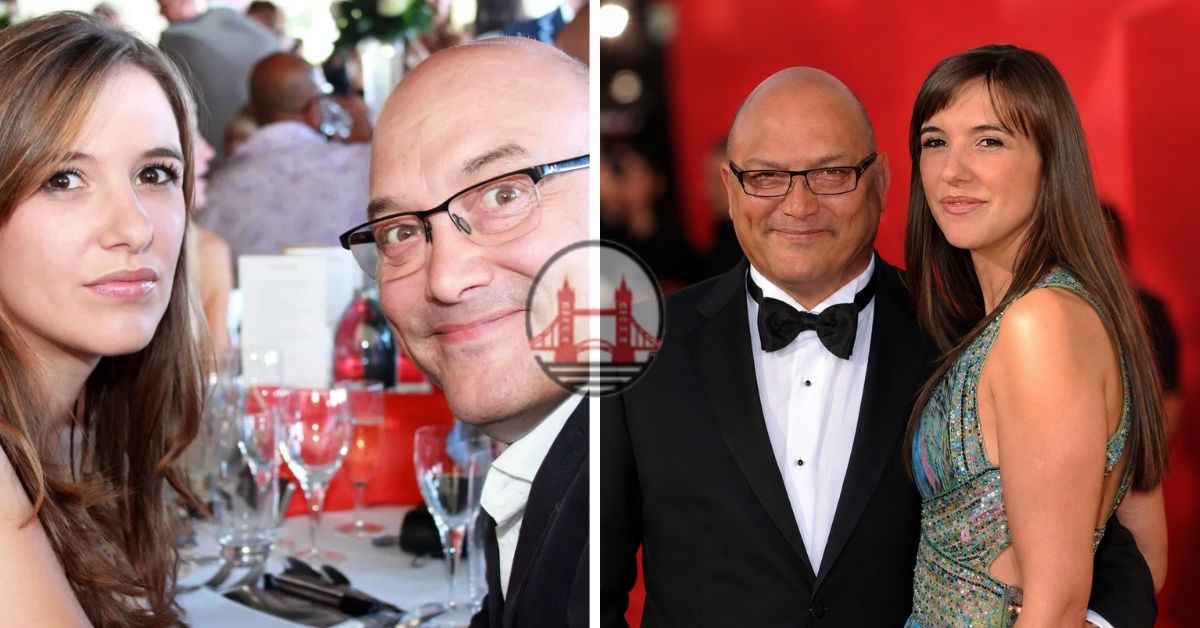
Heidi Brown became known to the British public through her marriage to television presenter Gregg Wallace. Before that attention, she had built a career away from television. She worked as a biology teacher and lived a much more private life.
Her relationship with Wallace began in an unusual way for its time. The two first connected through Twitter in 2009. Their online talks soon became a real relationship. They later married, but the marriage lasted only a little more than a year.
Brown never tried to build a celebrity career from the attention. She did not become a television personality or regular media figure. Her public profile remains closely tied to her former marriage.
Quick Bio
| Detail | Information |
|---|---|
| Full Name | Heidi Brown |
| Known For | Former wife of Gregg Wallace |
| Profession | Biology teacher |
| Nationality | British |
| Former Husband | Gregg Wallace |
| Relationship Began | 2009 |
| How They Met | Through Twitter |
| Marriage Date | January 8, 2011 |
| Wedding Venue | Coworth Park Hotel, Berkshire |
| Separation | 2012 |
| Length of Marriage | About 14 to 15 months |
| Public Profile | Mostly private |
| Connection to Television | Through her former husband |
Who Is Heidi Brown?
Heidi Brown is a British teacher who became widely known after starting a relationship with MasterChef presenter Gregg Wallace. Reports from the period describe her as a biology teacher, not as someone working in television or entertainment.
That difference shaped the way the public saw the couple. Wallace already had a large television audience. Brown had a normal professional career. Her sudden link with a well known presenter brought press attention that had not been part of her earlier life.
Even during the relationship, Brown remained far less public than her husband. Most reports focused on how the couple met, their wedding, and their later separation. There is little evidence that she sought fame for herself.
That point is important when looking at her biography. Many online profiles try to fill gaps with claims about her age, money, or later personal life. Reliable reporting gives a much simpler picture. She was a teacher who briefly became part of a famous television personality’s private life.
Heidi Brown Worked as a Biology Teacher
Long before the press began discussing her relationship, Brown worked in education. Major reports consistently identify her as a biology teacher or school teacher.
Teaching biology requires a strong understanding of science. It also calls for clear communication and patience. Teachers must explain topics such as cells, genetics, ecosystems, and the human body in ways students can understand.
Her career also made her different from many people who become linked with television stars. She did not work in acting, broadcasting, or celebrity media. Her professional identity was rooted in education.
There is no strong public evidence that Brown tried to turn her marriage into a media career. The press covered the relationship because Wallace was famous. Brown herself remained associated with her work as a teacher.
How Did Heidi Brown Meet Gregg Wallace?
The story of how Heidi Brown met Gregg Wallace drew attention because social media dating was still fairly new in 2009. The pair first connected through Twitter, years before dating through social platforms became common.
A report published by the Irish Independent in June 2009 said Brown was following Wallace on Twitter when the conversation began. Wallace had posted about vegetables, including cabbage and celery. Their exchange soon moved beyond simple food talk.
Wallace eventually invited Brown to meet him in London. The conversation developed into a relationship. Later reports said the pair began living together within about four months.
Their story became an early example of a celebrity relationship that began through social media. Twitter was not built as a dating service. Yet it created a direct line between public figures and people who followed them.
Relationship With Gregg Wallace
The relationship moved quickly after their first online contact. Wallace was already well known as one of the faces connected with the BBC’s MasterChef programs. Brown was living a much less public life.
Reports from 2009 described the couple as happy. Their early relationship attracted attention because of both Wallace’s fame and the unusual way they had met. Social media played a major role from the start.
Brown was also reported to be 17 years younger than Wallace. That age difference appeared often in later profiles of his relationships. Yet it was the speed of their romance that received just as much attention.
Within a short period, the pair went from Twitter messages to sharing a home. Marriage followed soon after. At the time, it appeared that the fast moving romance had become a serious partnership.
When Did Heidi Brown and Gregg Wallace Get Married?
Heidi Brown and Gregg Wallace married on January 8, 2011. Published biographical records place the ceremony at Coworth Park Hotel in the Sunningdale and Ascot area of Berkshire, England.
Coworth Park is a luxury country hotel. Reports later described the wedding as a lavish event. For Wallace, it was his third marriage. Brown therefore became his third wife.
Some media profiles give 2010 as the marriage year. More detailed records, including those that provide a full date, list January 8, 2011. The 2011 date also fits reports published when the couple separated the following year.
The marriage increased public interest in Brown. Yet she still did not turn into a regular television figure. Her name appeared mainly in coverage of Wallace’s personal life.
Why Did Their Marriage End?
The marriage proved to be short. Reports generally place the separation about 14 to 15 months after the wedding. The relationship had ended by 2012.
Later, Wallace spoke about the marriage when discussing his past relationships. His comments showed that he viewed the period as unhappy. Those statements represent Wallace’s own view of the relationship, rather than a full account from both people.
That distinction matters. Celebrity relationship stories often tell events from the perspective of the more famous partner. Brown has not maintained the same kind of public platform. As a result, there is much less widely reported material showing her side.
What can be stated clearly is that the couple separated after just over a year of marriage. Their fast romance had led to a quick wedding, but the marriage did not become a long term partnership.
Heidi Brown After the Divorce
After her marriage ended, Heidi Brown largely disappeared from mainstream celebrity coverage. This fits the way she had lived before meeting Wallace. Her career had been outside show business, and she did not appear to seek a lasting place in entertainment media.
Many former partners of famous people continue to appear in interviews, television programs, or social media campaigns. Brown took a different path. News coverage about her became rare once the marriage was over.
This privacy makes it important to separate known facts from internet claims. There is no reason to treat every biography site as a reliable record of her current life. Details about private relationships, finances, and personal plans need strong sourcing before they can be presented as fact.
Her limited media presence also explains why most people searching for her today find information linked to Wallace. The public record is centered on a short period between their first contact in 2009 and the end of the marriage in 2012.
Gregg Wallace and His Other Marriages
Understanding Wallace’s relationship history also explains why Brown’s name often appears in articles about him. She was his third wife.
Wallace first married a woman named Christine in 1991. That marriage lasted only around six weeks. He later married Denise Lovell in 1999. The couple had two children and divorced in 2004.
His marriage to Brown followed several years later. After their separation, Wallace eventually met Anne Marie Sterpini. Like Brown, Sterpini first connected with him through Twitter. Wallace and Sterpini married in 2016.
The repeated social media link has often appeared in profiles about Wallace’s personal life. But Brown’s place in the story remains distinct. She was part of his life during an important period when his television career was already well established.
Why Does Heidi Brown Still Attract Interest?
People continue to search for Heidi Brown because Gregg Wallace spent many years as a recognizable figure on British television. Viewers often become curious about the families and former partners of people they see on screen.
Brown’s story also has a clear hook. She met a television presenter through Twitter when social media relationships were still unusual enough to make news. A simple online exchange developed into a romance, shared home, and marriage.
The marriage itself was brief. That also keeps it present in features about Wallace’s personal history. Articles discussing his marriages usually identify Brown as his third wife and note that the pair met online.
Still, her own life should not be reduced only to that marriage. The verified public record identifies her as an educator. She had a professional identity outside the television world before she became known to the press.
A Private Life Outside Celebrity Culture
One of the clearest features of Brown’s story is her low public profile. She was connected to a famous man, but she did not build a public brand around that link.
There are no major television credits tied to her name. She is not known as an actor, presenter, producer, or reality television personality. Contemporary reports instead identify her through teaching.
This makes her different from many people covered by celebrity media. Fame came through association rather than through her own public career. Once that relationship ended, regular coverage faded.
That choice, whether deliberate or simply natural, has helped keep much of her later life outside public view. A responsible biography should respect that boundary rather than fill missing details with guesses.
What Makes Her Story Different?
Heidi Brown became part of a celebrity story without following the usual celebrity path. She had a professional career in science education. She then met a famous television presenter through a new form of online communication.
Their romance moved at a fast pace. They met online in 2009, soon shared a home, and married in January 2011. By 2012, the marriage had ended.
That short timeline explains much of the continuing interest. It also shows how quickly personal lives can become public when one partner is famous.
Yet Brown did not remain in that public world. Her story is therefore less about celebrity success and more about a private professional who briefly experienced intense public attention.
Final Thoughts
Heidi Brown is best known as the former wife of Gregg Wallace, but the verified facts show a person with a separate career in education. She worked as a biology teacher and stayed outside the entertainment business.
The pair first connected through Twitter in 2009. Their relationship developed fast. They later married at Coworth Park in Berkshire on January 8, 2011. The marriage ended roughly 14 to 15 months later.
Brown then returned to a far more private public profile. That is why reliable information about her is limited to a small number of well documented events.
Her story remains connected to Wallace because of his television fame. But the available evidence also makes one point clear. Brown was a teacher first, not a celebrity seeking a career in the spotlight.
FAQ’s
Who is Heidi Brown?
Heidi Brown is a British biology teacher who became publicly known through her marriage to television presenter Gregg Wallace. She was Wallace’s third wife. The pair met through Twitter in 2009 and later married.
What does Gregg Wallace’s ex wife Heidi Brown do?
Published reports identify her as a biology teacher. She was not known for working in television, acting, or entertainment before her relationship with Wallace.
How did Heidi Brown meet Gregg Wallace?
The two met through Twitter in 2009. Brown followed Wallace and interacted with one of his posts. Their online conversation developed, and Wallace later invited her to meet him in London.
When did Heidi Brown marry Gregg Wallace?
Heidi Brown married Gregg Wallace on January 8, 2011. The ceremony took place at Coworth Park Hotel near Ascot in Berkshire. Their relationship ended about 14 to 15 months later.
How long were Gregg Wallace and Heidi Brown married?
Their marriage lasted about 14 to 15 months. They married in January 2011 and separated in 2012. Different reports describe the duration as either 14 or 15 months, but they agree that the marriage lasted a little over one year.

Abigail Thaw is an English actress known for her work in British television and theatre. She is best recognized as Dorothea Frazil in ITV’s detective drama Endeavour. She is also the daughter of celebrated British actor John Thaw, who played Inspector Morse in the original Inspector Morse series.
Born on October 1, 1965, in London, England, she grew up around acting but built a career of her own. Her work covers television drama, comedy, film, Shakespeare, and modern theatre. Her credits include Endeavour, Vanity Fair, Midsomer Murders, Agatha Christie’s Poirot, Casualty, and The Inbetweeners 2.
Abigail Thaw Quick Bio
| Detail | Information |
|---|---|
| Full Name | Abigail J. Thaw |
| Date of Birth | October 1, 1965 |
| Birthplace | London, England |
| Nationality | English |
| Profession | Actress |
| Education | Royal Academy of Dramatic Art |
| Father | John Thaw |
| Mother | Sally Alexander |
| Stepmother | Sheila Hancock |
| Partner/Husband | Nigel Whitmey |
| Children | Molly-Mae Whitmey and Talia Whitmey |
| Known For | Dorothea Frazil in Endeavour |
| Years Active | 1990s to present |
Early Life and Family
Abigail was born into a family with strong links to British culture, acting, and academia. Her father, John Thaw, became one of Britain’s best-known television actors. He was famous for playing Jack Regan in The Sweeney and Inspector Morse in Inspector Morse. Her mother, Sally Alexander, is a historian and was active in the women’s movement.
Her parents separated when she was young. She was mainly raised by her mother in Pimlico, London, while remaining in contact with her father. Actress Sheila Hancock, who married John Thaw, later became Abigail’s stepmother.
Growing up with a famous actor as a father did not automatically make Abigail choose acting. After school, she spent time in Italy before returning to Britain. She eventually decided that acting was the career she wanted to pursue.
Training at RADA
She trained at the Royal Academy of Dramatic Art, better known as RADA, one of Britain’s most respected drama schools. RADA records show that she graduated with an acting diploma in 1989.
Her formal training gave her a strong base in classical and modern performance. Instead of moving straight into major television roles, she spent much of her early career working in regional theatre.
While studying at RADA, she also met actor Nigel Whitmey, who was part of the same 1989 graduating class. The couple later built a family together.
Theatre Career
Theatre has been an important part of Abigail Thaw’s career. She worked in repertory theatre in places such as Cheltenham, York, and Salisbury before appearing with larger companies and venues.
Her stage work has included performances at Shakespeare’s Globe, the Royal Exchange Theatre, Chichester Festival Theatre, Bristol Old Vic, Southwark Playhouse, and several London theatres.
One notable role was Lady Macbeth in a 2001 production of Macbeth. She later appeared in Whipping It Up, My Mother Said I Never Should, Ladies in Lavender, and The Cutting of the Cloth. In 2011, her performance in The Firewatchers earned her a nomination for an Off West End acting award.
Her stage career shows that she has never relied only on television. Much of her professional life has involved live performance, touring productions, and character-driven theatre.
Television Career
Thaw began appearing on British television in the 1990s. One of her early credits was an appearance in The Bill. She went on to work in programs including Pie in the Sky, Casualty, Peak Practice, and Spywatch.
In 1998, she played Jane Osborne in the BBC adaptation of Vanity Fair. She later appeared in established British crime dramas such as Midsomer Murders and Agatha Christie’s Poirot.
Her television work also includes Doctors, Love Soup, Black Mirror, and the BBC comedy I Want My Wife Back. These roles allowed her to move between crime drama, period productions, comedy, and contemporary television.
Rather than becoming closely linked to one type of character, she developed a career as a versatile supporting and character actress.
Abigail Thaw in Endeavour
Her most recognizable screen role came through ITV’s Endeavour, the prequel to Inspector Morse. She played Dorothea Frazil, an intelligent and sharp newspaper editor who often crosses paths with young detective Endeavour Morse.
The role carried a clear family connection. Her father, John Thaw, had played the older Morse from 1987 to 2000, while Shaun Evans played the younger version in Endeavour.
What began as a relatively small appearance became a recurring part. Dorothea developed into a familiar figure in the series and often supplied Morse with information, observations, and leads.
Thaw has spoken about how working on the show made her think about the amount of work her father had put into Inspector Morse. She also made clear that she viewed her own part as a professional acting role rather than simply a tribute to him.
By the time Endeavour ended in 2023, she had been associated with the Morse universe for more than a decade.
Film Roles
Her film career is smaller than her television and theatre work, but it includes several notable appearances.
In 2014, she appeared in the comedy film The Inbetweeners 2, playing a shaman. She has also acted in short films and television films, including Trust, Caring for the Recently Deceased, and The Penny Dropped.
Her career has generally focused more on British stage and television productions than mainstream cinema.
Relationship With John Thaw
Being John Thaw’s daughter has naturally remained part of public interest in her life. Yet she has spent decades establishing a separate professional identity.
John Thaw was already a major television figure when Abigail entered the profession. He received particular acclaim for The Sweeney, Inspector Morse, and his stage work. He died in 2002 at age 60.
Her casting in Endeavour created an unusual link between two generations of the same television franchise. Her father played Morse near the end of his police career, while she appeared in a drama about the detective’s younger years.
The connection became one of the show’s more subtle links to the original series rather than being treated as its main focus.
Husband and Children
Thaw’s longtime partner and husband is actor Nigel Whitmey. They met while training at RADA and both graduated from the school in 1989. Whitmey has worked across television, film, theatre, voice acting, and video games.
They have two daughters, Molly-Mae Whitmey and Talia Whitmey.
The family’s acting connection reached another generation when Molly appeared briefly in Endeavour. She played a younger version of her grandmother Sally Alexander in the 2020 episode Oracle.
Despite coming from a well-known acting family, Abigail generally keeps her private life separate from her professional career.
Where Is Abigail Thaw Now?
Abigail Thaw remains known primarily as a British stage and screen actress rather than as a celebrity personality. Her body of work spans more than three decades and includes regional theatre, major London stages, BBC and ITV dramas, comedy, and film.
Endeavour gave her the widest television exposure of her career, but it represents only one part of her work. Her extensive theatre credits show the kind of career she built after graduating from RADA.
Her connection to John Thaw will always attract attention because of the importance of Inspector Morse in British television. Still, her career has developed through her own performances and long-term work across the British acting industry.
Final Thoughts
Abigail Thaw has built a steady career based on stage training, character acting, and television work. Her role as Dorothea Frazil introduced her to a large international audience, while her theatre credits show a much broader range.
Her appearance in Endeavour also created a rare link with her father’s most famous role. But she did more than continue a family connection. She developed her own place in British television and theatre through decades of professional work.
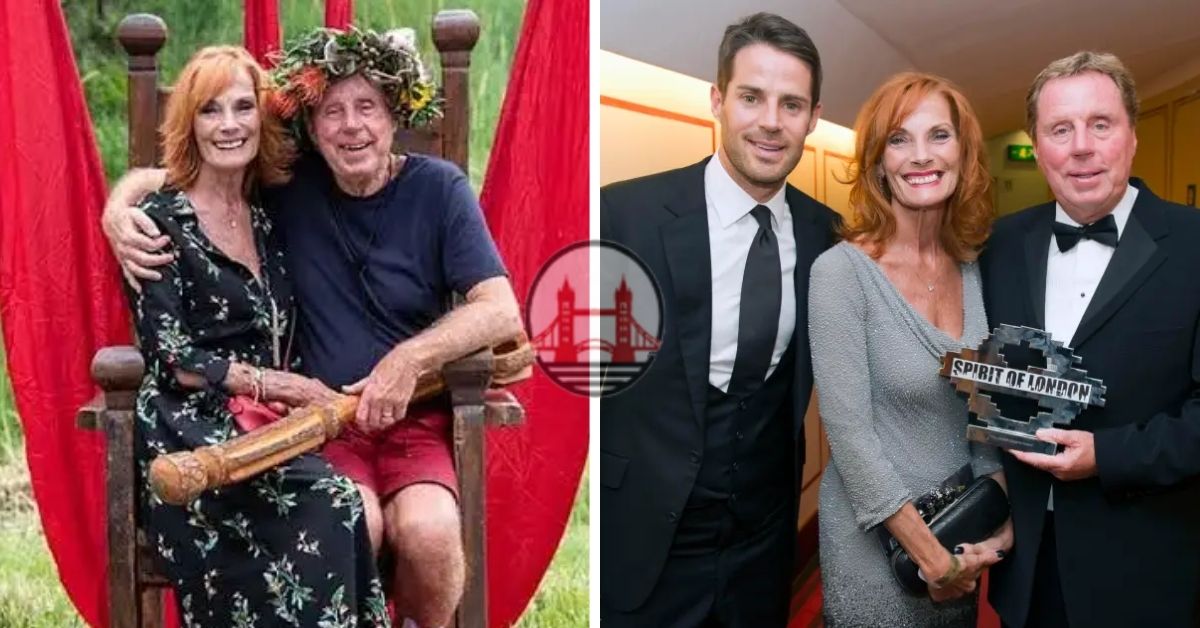
Sandra Harris, better known as Sandra Redknapp, has spent most of her adult life beside one of English football’s best known managers. She is the wife of Harry Redknapp, the former football player and manager linked with clubs such as West Ham United, Portsmouth, Tottenham Hotspur, and Bournemouth.
Yet Sandra has never built her life around celebrity. She stayed private while Harry worked in a sport filled with press attention. That changed after his appearance on I’m a Celebrity…Get Me Out of Here! in 2018. His stories about his wife brought Sandra to a much wider audience.
Their relationship began when they were teenagers in East London. It later grew into a marriage, a family, and a partnership that has lasted for more than half a century. Sandra has also faced serious health problems and family loss, while raising two sons who became part of the wider Redknapp football story.
Quick Bio
| Bio Detail | Information |
|---|---|
| Full name | Sandra Redknapp |
| Birth name | Sandra Harris |
| Nationality | British |
| Husband | Harry Redknapp |
| Marriage date | June 30, 1967 |
| Children | Mark Redknapp and Jamie Redknapp |
| Twin sister | Patricia Harris, later Patricia Lampard |
| Nephew | Frank Lampard |
| Known for | Marriage to Harry Redknapp, family life, television appearances |
| Book | When Harry Met Sandra: Our Love Story |
| Charity connection | Fundraising President of Leukaemia Busters with Harry Redknapp |
| Current family base | Dorset, England |
Who Is Sandra Harris?
Sandra Harris became known to football fans through her marriage to Harry Redknapp, but she spent decades outside the main spotlight. Harry played professional football before becoming a manager. His work took the family through many clubs, cities, wins, defeats, and periods of intense public interest.
Sandra usually remained behind the scenes. Harry has often described home as the place where he could leave football behind. In a 2023 interview, he called Sandra his “rock” and said that there was nobody else he would rather spend his time with.
That contrast helped shape their public image. Harry became known for his open interviews and football stories. Sandra appeared quieter and more private. Harry himself described her as shy when discussing the personal subjects they later included in their book.
Sandra Harris and Her East London Background
Sandra Harris grew up in London’s East End. Harry also came from East London, which gave the pair a shared local background long before fame entered their lives. Reports about their early relationship describe a world of local pubs, social clubs, football, and close family ties.
Sandra had a twin sister named Patricia Harris, usually known as Pat. The sisters remained an important part of one another’s lives. Sandra later worked with Pat at a local hairdresser in Barking, a detail Harry discussed when talking about a difficult period in their early marriage.
The Harris sisters would also become part of a famous football family. Patricia married Frank Lampard Sr, Harry’s former West Ham United teammate. Their son, Frank Lampard, became an England international and one of Chelsea’s most famous players. This made Frank Sandra’s nephew and Jamie Redknapp’s cousin.
How Did Sandra Harris Meet Harry Redknapp?
The story began at the Two Puddings pub in Stratford in 1963. Harry has said that he saw Sandra there when they were teenagers. He was 17 and already focused on football. Sandra, by his own account, was far less interested in the sport.
Harry later joked that he was more interested in Sandra at first than she was in him. Their early dating life was simple. One of their first nights out included Harry drinking too much at a party, leaving a friend to help Sandra get home. Somehow, the relationship survived the poor first impression.
They also took an early trip to Torquay with friends, including footballers connected with West Ham. Harry has described those years as much more traditional than modern dating. The couple continued seeing each other while he tried to establish himself as a professional player.
When Did Sandra Harris Marry Harry Redknapp?
Sandra Harris married Harry Redknapp on June 30, 1967. Their wedding took place at Barking Abbey church in East London. Reports describe a modest celebration rather than a large celebrity event.
Harry was still a young footballer at the time. His playing career had started at West Ham United, so Sandra entered married life while professional football was already becoming a major part of their routine. The demands of the game would later grow when Harry moved into coaching and management.
Their marriage eventually became one of the best known long term relationships in English football. Harry has said that their bond did not come from any special formula. He has instead spoken about enjoying Sandra’s company and remaining in love with the person he met as a teenager.
Sandra Harris as a Mother to Mark and Jamie Redknapp
The couple have two sons, Mark Redknapp and Jamie Redknapp. Mark is the older son. Jamie became the better known public figure because he followed his father into professional football.
Jamie played for clubs including Bournemouth, Liverpool, Tottenham Hotspur, and Southampton. He also represented England before moving into television work as a football pundit. His family background meant football was present from childhood, although Sandra provided a quieter side to family life away from the pitch.
Harry has recalled Mark and Jamie kicking footballs around the family home and breaking Sandra’s ornaments. The story gives a small picture of their household during the boys’ early years. By 2023, Harry said the wider family included eight grandchildren and a great grandson.
How Is Sandra Redknapp Related to Frank Lampard?
Sandra’s twin sister Patricia Harris married former West Ham defender Frank Lampard Sr. Their son is Frank Lampard, the former Chelsea and England midfielder. As a result, Frank Lampard is Sandra’s nephew.
The connection created an unusual football family tree. Harry Redknapp and Frank Lampard Sr were already linked through West Ham. Later, Lampard Sr worked as Harry’s assistant when Redknapp managed the club. Their sons and nephews then became professional players in their own right.
Sandra therefore sits at the center of the family link between the Redknapp and Lampard names. Jamie Redknapp and Frank Lampard are maternal cousins. Both went on to play at the highest level of English football, although their careers took different paths.
The Loss of Sandra’s Twin Sister Patricia
One of the hardest events in Sandra’s family life came in April 2008. Her twin sister, Patricia Lampard, died after suffering from pneumonia. Patricia was the wife of Frank Lampard Sr and the mother of Frank Lampard.
The loss affected both branches of the family. Sandra had shared her early life with her twin, and the sisters remained closely tied through marriage and football. Patricia’s death came during a period when both the Redknapp and Lampard names were highly visible in English football.
Sandra has continued to remember her sister publicly on occasion. The family relationship also remains clear through Sandra’s connection with Patricia’s children and grandchildren. It is one of the personal links behind a football family that is often discussed only in sporting terms.
Sandra Harris and the Difficult Health Years
Sandra Harris has spoken publicly about several difficult health experiences. Harry said in a 2023 interview that Sandra had experienced ovarian cancer and problems with her throat after damage to her vocal cords. He also discussed a miscarriage that Sandra suffered in 1969 when she was 12 weeks pregnant.
The miscarriage took place early in their marriage. Sandra was working with her sister Pat at a hairdresser in Barking when she began to feel unwell. Harry was away playing an FA Cup match for West Ham and did not know what had happened until he returned.
Sandra later became pregnant again. Their first son, Mark, was followed by Jamie. Decades later, in 2018, Sandra also suffered from sepsis shortly before Harry travelled to Australia to take part in I’m a Celebrity…Get Me Out of Here! Harry said he came close to cancelling the trip because he feared for her health.
What Happened in Sandra Redknapp’s 2016 Accident?
In 2016, Sandra suffered a serious ankle injury in an accident involving Harry’s car. Harry later explained that he believed Sandra had moved clear before he drove forward. The vehicle went over her ankle, and she fell into the road.
The injury required hospital treatment. Harry has repeatedly described the event as one of the worst moments of his life. He said Sandra did not blame him, even though the accident caused major damage to her ankle.
The event is often mentioned because Harry himself has continued to speak about it. For him, it became another example of Sandra’s calm nature during a crisis. In interviews years later, he still expressed regret over what happened.
I’m a Celebrity Brought Sandra Redknapp Into the Spotlight
For decades, Sandra Harris was known mainly within football circles and to people familiar with the Redknapp family. That changed in 2018 when Harry joined I’m a Celebrity…Get Me Out of Here! in Australia. He eventually won the series.
Harry often talked about Sandra while living in the jungle. His stories about their marriage became a major part of his television persona. Sandra later entered the camp during a family visit, creating an emotional reunion that Harry has said brought him to tears.
The show introduced the couple to viewers who knew little about football. Sandra did not suddenly become a conventional television celebrity. Instead, public interest grew because viewers heard Harry describe a relationship that had started decades before either of them was famous.
Sandra Harris and Harry Redknapp’s Book
In 2022, Sandra Harris and Harry told their story in When Harry Met Sandra: Our Love Story. The book was published by Mirror Books on September 29, 2022. The hardcover edition runs to 288 pages.
The memoir covers their relationship, family experiences, football years, and difficult personal events. It also allowed Sandra to speak about subjects she had rarely discussed in public. Harry later said that his normally private wife surprised even herself with how open she became while working on the book.
The project is significant because Sandra is a named coauthor rather than simply the subject of Harry’s memories. It gives her a direct place in the published Redknapp family story. The book also records how their teenage romance developed through more than five decades of marriage.
Sandra Redknapp’s Charity Work
Sandra and Harry have also supported Leukaemia Busters, a Southampton based charity that funds research into leukaemia, lymphoma, and related blood cancers. Official Charity Commission records list Harry and Sandra Redknapp as the organisation’s fundraising presidents.
The charity supports scientific research through the Simon Flavell Leukaemia Research Laboratory at Southampton General Hospital. Its work focuses on developing better treatments for blood cancers. The Redknapps’ role has been linked mainly to fundraising and public support for the organisation.
This part of Sandra’s public life receives less attention than her marriage or famous family links. Still, it is one of the clearest documented roles she holds outside family life and television appearances.
Where Does Sandra Redknapp Live Now?
Sandra Harris and Harry spent many years on England’s south coast after Harry’s work took the family to Bournemouth. Harry said in 2023 that they had lived in and around Sandbanks and Poole and felt closely connected to the area.
Their daily life appears far removed from the pressure Harry once faced as a Premier League manager. He has described simple routines such as buying newspapers and croissants while Sandra makes coffee. They also enjoy eating out together.
A 2026 profile in The Times reported that Harry lives in Dorset with Sandra. Even after decades of football, television work, and public attention, the relationship that began in an East London pub remains at the center of their story.
Why Is Sandra Harris Still So Closely Associated With Harry Redknapp?
Sandra Harris did not become widely known through a career in professional sport or entertainment. Her public identity developed because she shared almost every stage of Harry’s adult life, from his playing days to management and later television work.
But calling her only “Harry Redknapp’s wife” misses part of the story. Sandra is also the mother of Mark and Jamie Redknapp, the twin sister of Patricia Lampard, the aunt of Frank Lampard, a published coauthor, and a fundraising president for Leukaemia Busters.
Her public profile remains quieter than those of the football figures around her. That fits what Harry has said about her personality. After decades beside one of football’s most talkative characters, Sandra has largely kept the private style she had long before television viewers learned her name.
FAQs About Sandra Harris
Who is Sandra Harris?
Sandra Harris is the birth name of Sandra Redknapp, the wife of former English football player and manager Harry Redknapp. The couple met as teenagers in East London and later built a family that became closely linked with English football.
When did Sandra and Harry Redknapp get married?
Sandra and Harry married on June 30, 1967, at Barking Abbey church in East London. They had met several years earlier at the Two Puddings pub in Stratford.
How many children do Sandra and Harry Redknapp have?
They have two sons, Mark Redknapp and Jamie Redknapp. Jamie became a professional footballer and later a television pundit, while Mark is the older of the two brothers.
Is Sandra Redknapp related to Frank Lampard?
Yes. Sandra’s twin sister Patricia Harris married Frank Lampard Sr. Their son, former Chelsea and England midfielder Frank Lampard, is Sandra’s nephew and Jamie Redknapp’s cousin.
Did Sandra Redknapp write a book?
Yes. Sandra and Harry are the credited authors of When Harry Met Sandra: Our Love Story. Mirror Books published the hardcover edition on September 29, 2022.
Final Thoughts
Sandra’s story is closely tied to football, but much of her life took place away from stadiums and television cameras. She raised her family while Harry moved through a demanding playing and management career, and she later faced serious illness, injury, and the death of her twin sister.
Public attention eventually found her through Harry’s television appearances. Even then, she kept a quieter profile. Their 2022 book gave readers one of the clearest accounts of her own experiences after more than five decades of marriage.
Today, the Redknapp family reaches across several generations. Yet its story still goes back to a meeting at the Two Puddings pub in East London in 1963, when Sandra and Harry were both teenagers.

Who Is Heidi Brown? All About Gregg Wallace’s Ex Wife

Abigail Thaw: English Actress and John Thaw’s Daughter

Who Is Sandra Harris aka Sandra Redknapp? Harry Redknapp’s Wife

Who Is Rita Johal? All About Riyad Mahrez’s Former Wife and Her Story

Who Is Caroline Hickman? Story of Caroline Hickman, Steve Coogan’s Ex Wife

Who is Sarah Vincent? All About Vic Reeves’ Ex Wife and Their Children
-
 Celebrity3 months ago
Who Is Rita Johal? All About Riyad Mahrez’s Former Wife and Her Story
-
 Celebrity3 months ago
Who Is Caroline Hickman? Story of Caroline Hickman, Steve Coogan’s Ex Wife
-
 Celebrity3 months ago
Who is Sarah Vincent? All About Vic Reeves’ Ex Wife and Their Children
-
 Celebrity3 months ago
Who Is Annie Milner? Untold Story of Paul McGann’s Former Wife
-
 Celebrity3 months ago
The Life of Giselle Glasman: Actress, Theatre Publicist, and Lennie James’ Wife
-
 Celebrity3 months ago
Story of Merula Salaman and Her Life with Alec Guinness
-
 Celebrity3 months ago
Who is Eleasha Hamed? Boxing Legend Naseem Hamed’s Wife
-
 Celebrity3 months ago
Who Is Mandy Hendry? Inside the Life of Stephen Hendry’s Ex-Wife