
Business
Keeping Your Lotus in Peak Condition: The Importance of Specialist Maintenance

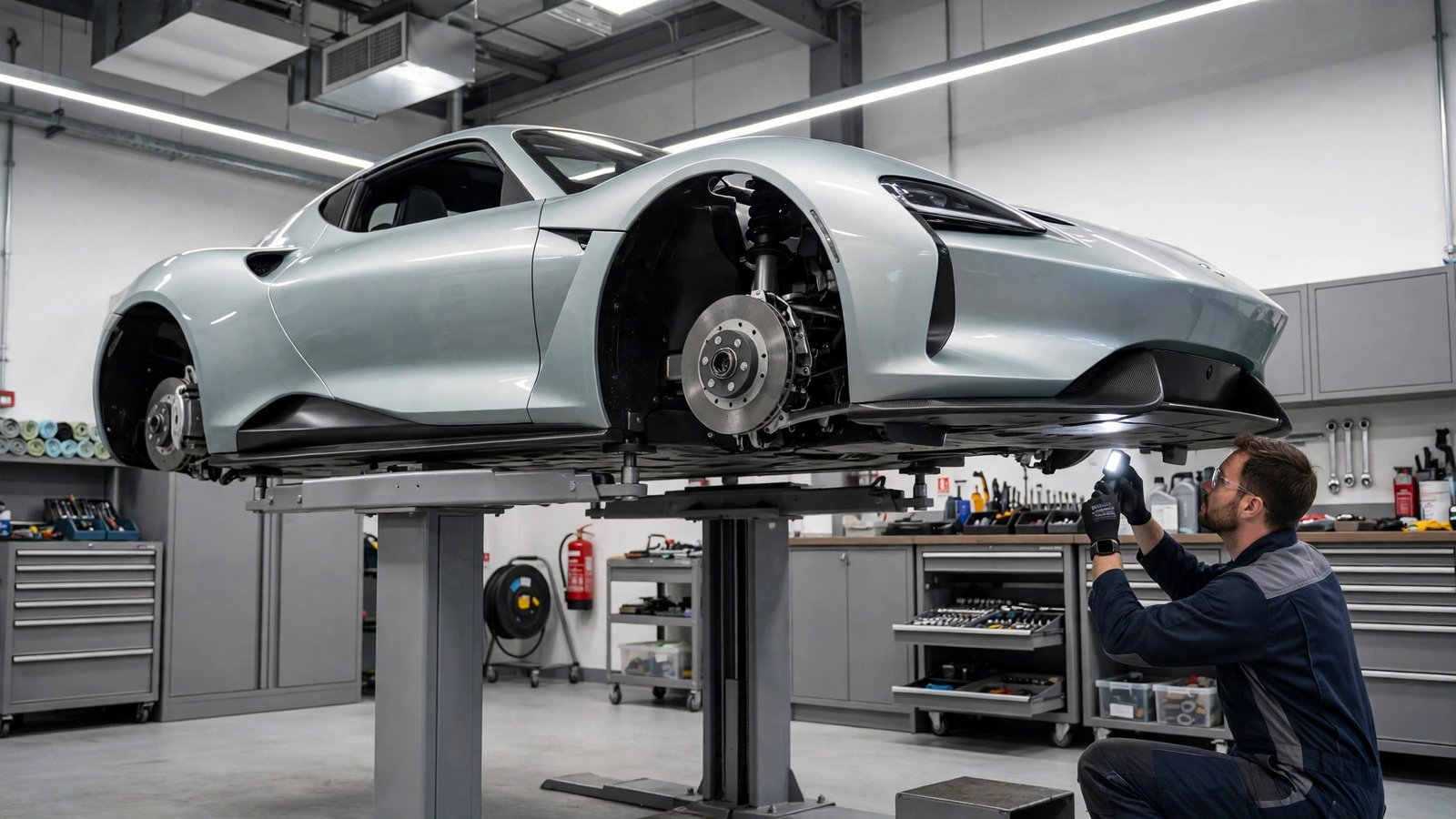
Owning a Lotus is about more than simply having a car to get from one place to another. Known for their lightweight construction, distinctive styling and impressive handling, Lotus vehicles offer a driving experience that is difficult to replicate. Whether you own a classic model or one of the manufacturer’s newer sports cars, regular maintenance is essential to keeping it performing as intended.
Like any performance vehicle, a Lotus requires care and attention. Understanding its specific maintenance needs can help protect its condition, maintain reliability and ensure you continue to enjoy every journey.
Understanding What Makes Lotus Vehicles Different
Lotus has built its reputation around engineering, precision and performance. Many of its models are designed with a strong focus on reducing weight, improving balance and delivering responsive handling. These characteristics make the cars enjoyable to drive, but they also mean that maintenance should be approached with an understanding of their particular design.
Components such as the suspension, braking system, engine and transmission all play an important role in the overall driving experience. Even relatively small issues can affect how a vehicle feels on the road. This is why it is important not to overlook unusual noises, changes in handling or warning lights.
A technician familiar with the marque will understand the importance of these details and how different components work together.
Why Regular Servicing Matters
Routine servicing is one of the most effective ways to maintain a vehicle’s performance and reliability. Oil changes, filter replacements, fluid checks and inspections help identify potential problems before they develop into more serious faults.
For a performance car, following the recommended service schedule is particularly important. Engine oil, for example, helps lubricate moving parts and manage operating temperatures. Using the correct specification and changing it at suitable intervals can help reduce unnecessary wear.
Other areas also deserve attention, including tyres, brakes, suspension and cooling systems. These components are subject to wear through everyday driving, but their condition can have a noticeable impact on safety and performance.
Keeping a clear record of completed servicing is also worthwhile. A detailed maintenance history can provide reassurance to future buyers and demonstrate that the vehicle has received consistent care.
Recognising When Your Lotus Needs Attention
Not every problem will be immediately obvious, particularly during the early stages of a fault. However, there are several signs that may indicate your vehicle needs professional attention.
These can include:
- Unusual noises coming from the engine, brakes or suspension.
- Changes in steering response or handling.
- Warning lights appearing on the dashboard.
- Fluid leaks underneath the vehicle.
- Reduced engine performance or inconsistent acceleration.
- Vibrations that were not previously noticeable.
If you notice any of these symptoms, arranging an inspection sooner rather than later is sensible. Continuing to drive with an unresolved issue could lead to additional damage and potentially higher repair costs.
Choosing the Right Specialist for Lotus Repair
When something goes wrong, finding a suitable garage is an important part of protecting your investment. Lotus repair requires knowledge of the manufacturer’s engineering, alongside access to appropriate diagnostic equipment, replacement parts and technical information.
A specialist will be better placed to understand the individual requirements of different models and identify the underlying cause of a problem. This can be particularly useful when dealing with complex electrical systems, engine issues or performance-related faults.
It is also worth considering the garage’s experience, reputation and approach to customer service. Look for clear communication, transparent estimates and an explanation of any recommended work. A reliable repair specialist should be able to discuss the issue in straightforward terms and help you understand the available options.
Using suitable parts is another important consideration. The correct components can help maintain the vehicle’s original performance and ensure repairs meet the required standards.
Looking After Your Lotus Between Services
Professional maintenance is important, but everyday care also plays a role in keeping your vehicle in good condition. Simple habits can help prevent avoidable wear and make it easier to spot potential problems.
Check tyre pressures regularly and look for signs of uneven wear. Keep an eye on fluid levels and pay attention to any changes in how the car starts, accelerates or brakes. Cleaning the exterior and interior also helps protect surfaces from dirt, moisture and general deterioration.
If your Lotus is not driven frequently, consider how it is stored. A dry, secure environment can help protect the bodywork and interior, while maintaining the battery’s charge can prevent starting difficulties.
Protecting Your Investment for the Long Term
A Lotus is a vehicle worth looking after. Whether it is used for everyday journeys, weekend drives or occasional track days, consistent maintenance can make a significant difference to its long-term condition.
By following the recommended servicing schedule, responding quickly to warning signs and choosing experienced professionals when repairs are needed, owners can help preserve both performance and reliability.
Taking a proactive approach to maintenance is not simply about avoiding unexpected breakdowns. It is about protecting the qualities that make a Lotus special and ensuring it remains enjoyable to drive for years to come.


Your first pair of New Rocks should suit the clothes you already wear and feel secure when you walk. Begin with the shoe shape and sole height, then check the material, fastening and size guidance for that model. The most dramatic pair in a photograph may be right for you, but it is worth comparing several designs before deciding.
New Rock is the brand name, while New Rocks is a common way of referring to the footwear. The range includes different silhouettes, so advice based on one boot should not be treated as a rule for every pair. Choose using the details of the actual product.
Decide How You Want to Wear Them
Think about your ordinary week. A pair for weekend outfits has a different job from footwear you want to wear for long periods at concerts or while commuting. Picture the clothes, journey and amount of standing involved before choosing a large platform or taller shaft.
Make a small shortlist using outfits you own. If you mostly wear straight-leg jeans, check whether the hem will fall over the boot. If you want the upper fully visible with skirts or cropped trousers, pay more attention to shaft height and fastening details.
Look at the footwear from the side as well as above. Product photographs can emphasise metal details while making the height and bulk of the sole harder to judge. Use measurements in the description where available and ask for clarification when an important dimension is missing.
Compare Boots with Lower Cut Shoes
A lower-cut shoe leaves more ankle visible and can work with trousers that do not easily fit over a taller boot. A lace-up ankle boot gives a different shape and lets you adjust the fastening around the foot. Taller styles create more coverage and may require a closer check around the leg.
Some people prefer a simpler upper for their first pair because it is easy to combine with different clothes. Others already have a clear preference for buckles, spikes or metal panels. Choose the detail you actually want rather than buying a restrained version you will immediately wish was more distinctive.
Compare the sole as a separate decision. Platform height, overall shape and heel construction affect how the footwear feels in use. Try walking normally and turning rather than assessing the pair only while standing in front of a mirror.
Read The Material Description Carefully
Do not assume every model uses the same upper. TruClothing lists New Rocks in leather and vegan-labelled designs, alongside different boot and shoe shapes. Read the individual listing so the material matches your preferences, and you know which care instructions apply.
Consider the finish too. Smooth black, metallic details and lighter colours can each change how much attention the shoe attracts. A pale upper may need a different cleaning approach from dark leather, so check the maker’s guidance before using any treatment.
Photographs cannot confirm how a material will feel against your foot. If you have a particular preference for flexibility or lining, ask about the exact model. Treat broad descriptions of the brand as background rather than a substitute for product information.
Use The Correct Size Guide
Check the sizing system used by the listing and compare it with the retailer’s guide. Do not rely on a remembered conversion between UK and European sizes. If foot measurements are provided, follow the measurement method described rather than comparing them with the outside length of another shoe.
Measure both feet and use the guidance for the larger one. Wear the type of socks you plan to use with the footwear when trying it on. A thick sock can change the fit, particularly around the instep and toe area.
Fasten both shoes properly before walking. Your toes need room, and your heel should feel reasonably secure rather than lifting excessively. Sharp pressure, numbness or a cramped toe box are reasons to reconsider the fit. A breaking-in period should not be used to justify buying a size that already hurts.
Make The First Try on Useful
Read the retailer’s current returns conditions before wearing the footwear outside. Keep packaging and tags as required and carry out the initial fitting on a clean indoor surface. This gives you time to assess the pair while preserving your options if the fit is wrong.
Try sitting down, climbing a step if practical and walking at your usual pace. Check whether a boot shaft presses against the leg and whether the laces allow a comfortable adjustment. Test zips and buckles gently rather than forcing a fastening that is under strain.
If the pair feels right, introduce it gradually according to the maker’s guidance. There is no universal number of days that every model needs to settle. Follow the care instructions for its materials and stop to reassess if an area repeatedly rubs.
Keep A Record of the Model You Choose
Once you have chosen a pair, keep the model code and material description with the care instructions. This makes it easier to ask a precise question about replacement laces, cleaning or another size later. Similar-looking models may have different details.
Note the size you bought and how it fits with your usual socks. That gives you a useful reference for future purchases, although it does not replace checking the guidance for a different model. Keep any recommended care products identified by material so they are used on the right pair.

Article summary
- Nearly half of UK drivers say the cost of living is affecting how they maintain their car, and many are delaying repairs as a result.
- The safer ways to save are independent garages and genuine used BMW parts, which can cost up to about 90% less than new.
- Brakes, tyres and anything safety-critical are where corners shouldn’t be cut.
Buying BMW parts in London has never been the cheap option. Nearly half of UK drivers now say the cost of living is affecting their ability to look after their car. Of those, more than a third are putting off recommended repairs, and around one in five are skipping services altogether. It’s understandable when every other bill has gone up too. But a skipped service or an ignored warning light rarely stays cheap for long.
The good news is that there are better ways to bring the bills down, and more BMW owners are finding them. Most of it comes down to where the work gets done, and where the parts come from.
Delaying Repairs Is A False Economy
It’s tempting to let a knock in the suspension or an amber warning light wait until next month. On a modern BMW, though, small faults have a habit of turning into big ones. A worn drop link that’s ignored can wear out a tyre. A coolant leak left alone can take an engine with it. And a car that’s already overdue can fail its MOT on something that would have been a simple fix six months earlier.
There’s a safety side to it as well. Tyres, brakes and steering parts are what keep a car on the road, and in stop-start London traffic they work harder than most people realise. Cutting back on those isn’t saving money. It’s just moving the cost somewhere else, and occasionally somewhere much worse.
Independent Garages Instead Of Main Dealers
The first change many owners make is where they take the car. Around six in ten drivers feeling the squeeze say they’re moving to independent garages for lower-cost work, and BMW owners are no exception. A good independent specialist with BMW diagnostic equipment can do most of what a main dealer does, often for a noticeably lower labour rate.
It’s also worth knowing that servicing a newer BMW at an independent doesn’t automatically affect the warranty, as long as the work follows BMW’s schedule and uses parts of the correct specification and quality. Keep the receipts and you’re covered.
Genuine Used Parts From BMW Dismantlers
The bigger saving, though, is often in the parts themselves. New BMW parts from a dealer are priced accordingly, and on an older car a single gearbox or headlight can cost more than the car is worth. That’s where BMW dismantlers come in. Car breakers that specialise in BMWs take genuine parts from cars that have been written off, most often for body damage rather than mechanical wear, so plenty of what’s left is in perfectly good order.
The difference in price can be dramatic. At MT Auto Parts, a specialist in genuine used BMW spare parts for 2012-onwards models, a used automatic gearbox from a G01 X3 with 57,000 miles costs £637, against roughly £7,500 for a new one. A used laser headlight for a G05 X5 is £1,500, compared with £4,925 new. An N57 diesel ECU set for a 3 Series costs £180, while a new engine control unit on its own is around £1,700. Even a complete B57 3.0-litre diesel engine, at £4,500 used against approximately £12,500 new, saves around £8,000.
“More of our customers now come to us before they’ve even had a dealer quote,” says Ziggy, co-founder of MT Auto Parts. “People are keeping their BMWs for longer, and they want to fix them properly. A genuine used part gives them the original BMW quality without the new-part price.”
Mostly these are genuine BMW parts, not copies. They carry the original part number, they’re made to BMW’s own specification, and they fit exactly as the factory intended. For major components, that’s often a better bet than a cheaper aftermarket alternative of unknown quality.
Where Not To Cut Corners
Saving money is one thing. Saving it in the wrong place is another, and a few parts are simply better bought new. Brake discs and pads, tyres and suspension bushes all wear by design, so a used one has already given up some of its life. They’re not expensive enough to be worth the risk.
Airbags are a slightly different case. Used airbags are legal to buy and fit in the UK, provided they’re undeployed and undamaged, and a reputable seller will have checked them before listing. They should still be fitted by a qualified technician, and the part number needs to match your car exactly. It’s also worth running your registration through the government’s vehicle recall checker, especially on an older car, because recall work is carried out free of charge.
“We’ll always tell customers straight when something is better bought new,” says Ziggy. “Brakes and tires aren’t where you save money. Engines, gearboxes, headlights and modules are, because that’s where the dealer prices really add up and used components still have plenty of life left.”
Buying BMW Parts Online, The Right Way
Most owners now buy BMW spares online, and that’s where a little care goes a long way. BMW changes parts more often than people expect, sometimes even within the same model year, so the model name alone isn’t enough to go on.
Start with the part number on the old component, which is usually printed on a label or stamped into the part itself. A specialist can also confirm fitment from the last seven characters of your VIN. Check whether your car is pre- or post-facelift (BMW calls it an LCI), as that can change headlights, bumpers and electronics. Match the paint code on anything painted. And remember that modules, headlights and some sensors will need coding to the car, so factor that into the cost.
Finally, look at what the seller offers. A clear description of condition, the donor car’s mileage for engines and gearboxes, and a written warranty are all good signs. When you’re buying BMW parts online from a specialist that ticks those boxes, there’s very little reason to pay dealer prices for major car parts.
Verdict: Spend Smarter, Not Less
The cost of living isn’t going anywhere soon, and BMW repairs won’t get cheaper on their own. But the answer isn’t to skip the work. It’s to be smarter about where the money goes. An independent garage for labour, genuine used parts for the expensive components, and new parts for anything that wears or keeps you safe. Do that, and keeping a BMW on London’s roads becomes a lot more manageable, without cutting the corners that matter.

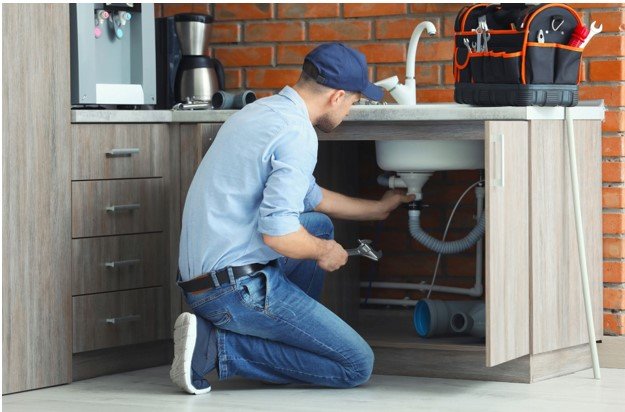
A great plumbing system is the most glamorous part of the construction project. In construction, the plumbing system is the most important part to ensure the functionality and comfort of the building. While ensuring functionality, regular plumbing inspection is important to catch leaks early, avoid emergencies, protect water pressure and efficiency and prevent costly repairs.
Hiring a professional Plumber in Newhaven is important to manage pipes, replace shower equipment and handle pipe leaks. They have the experience and tools required to repair pipe leaks and manage bathroom areas. They are well-trained and can help you stay stress-free and focus on other activities.
What is a Plumbing Inspection?
A professional plumbing inspection is a proactive measure in which a certified plumber conducts a thorough evaluation of the plumbing system. The goal is to identify a minor issue before they become major and leads to costly repairs. With timely repairs, you can prevent wear and tear, avoid emergencies, and also save money.
Importance of Regular Plumbing Inspection
Regular plumbing inspection is important to keep the plumbing system in good condition.
Detect Early Leaks
The plumbing system can be defective, and a small leak can appear that is not easily detectable. These leaks can damage the structure of the building and cannot be noticed until there is small dampness in the wall or toxic mould growth occurs. It can also waste a lot of water. Hiring a plumber for inspection helps you identify the leak before they do significant damage.
Preserves Water Quality
Plumbing issues like rusty pipes can affect the water quality. A thorough inspection is done, which helps you identify the condition of the pipes. If they detect any corrosion in the pipes, this may need repair or lead to the replacement of the pipes to enhance the water quality.
Remove Small Clogs
Clogs usually do not happen suddenly; they appear slowly when hair builds up in the shower drain, and small bits of food accumulate in the drain every time you do the dishes. A complete inspection helps identify small clogs in the drain that must be removed before they become severe.
Keep the Pipes Clean
An inspection will let you know if you have dirty pipes or not. It is common for pipes to develop dirt and debris over time, and this will also lead to clogging. This clog will affect the water pressure. So, regular cleaning can help you prevent clogs, promote the lifespan of the plumbing system and enhance water quality.
Prioritise Energy Efficiency
Plumbing issues can also lead to high bills when a leaky water heater works harder to warm the water supply. Proper or timely inspection can help prevent these clogs and leaks and also reduce the overall energy usage.
Professional Plumber Inspection Includes
A professional plumber detects a wide range of issues during a standard or specialised plumbing inspection.
Pipe Condition
Plumbers closely inspect the pipes to examine their condition and provide timely repairs to avoid costly repairs and water damage. During their inspection, they focus on pipe wear, signs of corrosion and leak detection.
Drainage System
Inspecting the drain is important to evaluate signs of clogging. If there is any minor clog, they make sure to clear the debris to prevent a major clog. They use specialised cameras to evaluate the interior of the pipes.
Leaky Taps
Plumbers also help prevent the loss of water by managing leaky taps in a timely manner. Through leaks, a lot of water gets lost. So, regular inspection helps to avoid any leaks.
Running Toilet
A toilet that won’t stop running may indicate a fault or a fill valve that contributes to water waste and higher costs.
Signs that Property Needs Plumber Inspection
Here are some signs that indicate a property needs a plumber inspection.
- Unexpected water bills
- Slow drains and Clogs
- Water stains on ceilings and walls
- Unpleasant smells
- Change in water pressure
- Visible leaks and moisture
Importance of Hiring a Professional Plumber
Professional plumbers are committed to providing prompt service and quality work. Here are some benefits of hiring a professional Plumber in Keynsham.
Knowledge
Professional plumbers have extensive knowledge about plumbing issues. Due to their professional skills, they are able to handle a variety of plumbing issues.
Training
Professional plumbers are fully qualified to offer a range of plumbing services. They are trained to handle problems professionally while giving you peace of mind.
Reliability
A great benefit of hiring a professional plumber is the reliability they provide through their work. They can efficiently complete their job due to their expertise in solving complicated problems.
Conclusion
Hiring professional plumbers with enough knowledge and expertise provides a thorough inspection. The inspection areas include pipes, drainage, leaking taps, and running toilets. They detect minor defects before they become major, to avoid costly repairs. So, you should have to hire a qualified plumber for routine inspections and timely repairs.

Electric Mountain Bikes: How They Are Changing Outdoor Recreation and Everyday Travel

Ten days in Kerala for a slower holiday in India

How To Choose Your First Pair of New Rocks

Who Is Rita Johal? All About Riyad Mahrez’s Former Wife and Her Story

Who Is Caroline Hickman? Story of Caroline Hickman, Steve Coogan’s Ex Wife

Who is Sarah Vincent? All About Vic Reeves’ Ex Wife and Their Children
-
 Celebrity5 months ago
Who Is Rita Johal? All About Riyad Mahrez’s Former Wife and Her Story
-
 Celebrity5 months ago
Who Is Caroline Hickman? Story of Caroline Hickman, Steve Coogan’s Ex Wife
-
 Celebrity5 months ago
Who is Sarah Vincent? All About Vic Reeves’ Ex Wife and Their Children
-
 Celebrity5 months ago
The Life of Giselle Glasman: Actress, Theatre Publicist, and Lennie James’ Wife
-

 Celebrity5 months ago
Who Was Carolyn Cox? Biography of Nigel Havers’ Ex Wife
-

 Celebrity5 months ago
Who is Eleasha Hamed? Boxing Legend Naseem Hamed’s Wife
-

 Celebrity5 months ago
Who Is Annie Milner? Untold Story of Paul McGann’s Former Wife
-

 Celebrity5 months ago
Story of Merula Salaman and Her Life with Alec Guinness