
Health
Children’s Orthodontics in Winchester: When Early Jaw Development Needs Specialist Attention

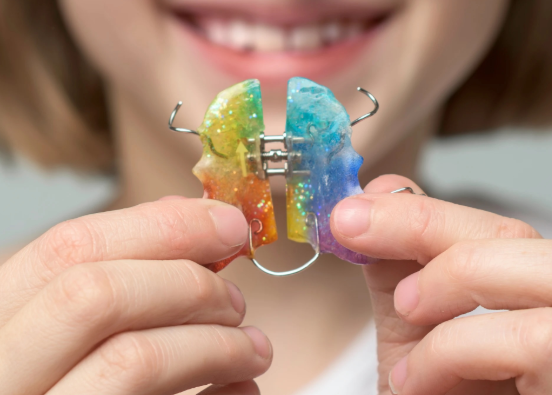
Children’s orthodontic care is not simply about straightening teeth before adolescence. During childhood, the jaws are developing, permanent teeth are gradually emerging and the relationship between the upper and lower dental arches continues to change. Certain problems can be identified during this period, sometimes before they become obvious to parents. For families researching children’s orthodontics in Winchester, understanding the difference between normal dental development and conditions that may require early intervention is particularly important. At Aline Specialists, growth-focused orthodontic assessment helps identify developing bite problems and determine whether treatment or continued observation is appropriate.
At What Age Should a Child Have Their First Orthodontic Assessment?
Children’s teeth and jaws develop at different rates, making chronological age only one factor in deciding when orthodontic assessment is appropriate. Many orthodontic organisations recommend an initial orthodontic evaluation around the age of seven, when a combination of primary and permanent teeth allows certain developmental problems to be identified. However, not every child requires a specialist consultation at precisely this age.
The mixed dentition stage, when baby teeth and adult teeth are present together, provides useful information about jaw relationships, available space and the eruption of permanent teeth. An orthodontist can assess whether developing irregularities are within expected limits or suggest a problem that may benefit from closer monitoring.
Early assessment does not automatically mean that braces or other appliances are needed. In many cases, observation is the most appropriate approach, allowing the clinician to follow growth and dental eruption over time. The purpose is to identify potentially significant problems before the opportunity for certain growth-related treatments has passed.
How Can Parents Recognise Early Signs of Jaw Development Problems?
Some orthodontic problems are visible when a child smiles, while others become apparent only when the teeth come together. A noticeable difference between the upper and lower jaw positions, difficulty bringing the front teeth together or an unusual relationship between the dental arches may indicate a developing bite discrepancy.
Crossbites, pronounced overjets and significant asymmetries are among the conditions that can warrant orthodontic assessment. A child whose lower jaw shifts sideways when closing the mouth may have a functional displacement associated with a narrow upper dental arch. Such movements can be difficult for parents to recognise without a clinical examination.
Other signs include delayed eruption of permanent teeth, early loss of baby teeth or teeth emerging in unexpected positions. These findings do not necessarily indicate a serious problem, but they may justify further investigation. Clinical assessment is essential to distinguish normal developmental variation from conditions requiring intervention, as appearance alone cannot establish the underlying cause.
Children’s Orthodontics in Winchester: When Is Early Treatment Necessary?
Early orthodontic treatment, sometimes called interceptive orthodontics, aims to address selected problems while the teeth and jaws are still developing. Unlike comprehensive orthodontic treatment during adolescence, its purpose is not necessarily to achieve the final alignment of every tooth. Instead, it may focus on a particular developmental concern that could become more difficult to manage later.
The timing of intervention depends on the type of problem. Certain functional crossbites may benefit from correction during childhood, while other conditions can be monitored until more permanent teeth have erupted. Children with prominent upper incisors may also require individual assessment, particularly when there is an increased risk of dental trauma.
Not all early orthodontic treatments reduce the need for future braces. Some children who undergo interceptive treatment will still require comprehensive orthodontics during adolescence. The decision to intervene should therefore be based on a clearly identified clinical benefit, rather than the assumption that earlier treatment is always preferable.
What Is a Narrow Upper Jaw and How Can It Affect Dental Development?
The upper jaw, or maxilla, supports the upper dental arch and contributes to the relationship between the upper and lower teeth. When the upper arch is relatively narrow, there may be insufficient transverse width for an appropriate bite relationship. This can contribute to posterior crossbites, crowding or functional shifts of the lower jaw.
A narrow upper dental arch does not always require expansion. Orthodontists must determine whether the discrepancy involves the position of individual teeth, the underlying skeletal structures or both. The distinction is important because different causes may require different treatment approaches.
In growing children, certain transverse discrepancies can be managed using orthodontic expansion appliances. These devices are designed to produce controlled changes in the upper arch, although the extent and nature of the response depend on the child’s development and the appliance used. Expansion should only be considered when clinically indicated, with treatment objectives based on the individual anatomy rather than a standardised arch width.
How Do Palatal Expanders Work in Growing Children?
A palatal expander is an orthodontic appliance used to increase the width of the upper dental arch in selected patients. Depending on its design, it may be attached to the teeth or supported by other structures. The appliance applies controlled forces intended to produce changes in the upper arch over a prescribed period.
Palatal expansion during childhood can take advantage of ongoing skeletal development, particularly while the midpalatal suture remains responsive to expansion forces. The treatment response varies according to age, skeletal maturity and appliance design. An orthodontist must assess these factors before determining whether expansion is suitable.
Some children experience temporary pressure, changes in speech or increased saliva production while adapting to an expander. A small gap between the upper front teeth may also develop during certain expansion treatments, although this does not occur in every case. Regular clinical monitoring helps assess the response and determine when the active expansion phase should end.
Can Early Orthodontic Treatment Prevent Problems with Permanent Teeth?
The eruption of permanent teeth depends on several factors, including available space, the positions of developing tooth buds and the timing of primary tooth loss. When these processes do not progress as expected, orthodontic assessment may help identify problems before they become more complicated.
Early loss of baby teeth can sometimes affect the space available for permanent teeth, particularly if neighbouring teeth move into the vacant area. In selected circumstances, space maintenance or other interceptive measures may be appropriate. However, the need for intervention depends on which tooth has been lost, the child’s dental development and the position of the underlying permanent tooth.
Early orthodontic care cannot prevent every future alignment problem. Genetic influences, tooth-size discrepancies and continuing jaw development may still create a need for treatment during adolescence. The purpose of early intervention is to address specific risks when a meaningful clinical benefit is expected, rather than to guarantee that permanent teeth will erupt in ideal positions.
How Are Children’s Growth and Tooth Eruption Monitored?
Monitoring dental development involves examining changes in tooth eruption, jaw relationships and bite function over time. Orthodontists may compare clinical findings from successive appointments to determine whether a developing discrepancy is improving, remaining stable or becoming more pronounced. This process can be particularly useful when immediate treatment is unnecessary.
Digital scans and appropriate diagnostic imaging can provide additional information when clinically justified. Intraoral scans help document tooth positions and dental arch relationships, while radiographs may be required to investigate unerupted teeth or other developmental concerns. Imaging should be selected according to clinical need rather than performed routinely without justification.
At Aline Specialists, children’s orthodontic care is provided by Specialist Orthodontists Dr Damon Taheri, Dr Ramtin Taheri and Dr Ilias Marinopoulos. The practice’s approach includes assessment of facial growth, jaw development and developing bite discrepancies, supported by digital technology where appropriate. Individual growth monitoring helps determine whether a child would benefit from treatment or continued observation.
What Happens After Early Orthodontic Treatment?
Completing interceptive treatment does not necessarily mark the end of a child’s orthodontic care. The jaws continue developing, additional permanent teeth erupt and dental relationships may change during adolescence. Follow-up assessments can therefore be important even when an initial problem has been corrected.
The need for further treatment depends on subsequent dental development. Some children may require comprehensive orthodontics once most permanent teeth have erupted, while others may not need additional intervention. The outcome of early treatment and the child’s remaining growth help inform these decisions.
Where appropriate, retention appliances may be used to maintain changes achieved during the initial treatment phase. Their design and duration depend on the correction performed and the child’s developmental stage. Long-term observation supports informed decisions about future care, without assuming that every child will require a second course of orthodontic treatment.
Children’s Orthodontics in Winchester: Understanding the Value of Growth-Focused Care
Children’s orthodontic assessment provides an opportunity to understand how the teeth and jaws are developing before all permanent teeth have emerged. Identifying crossbites, transverse discrepancies and eruption problems at an appropriate stage can help clinicians determine whether early intervention offers a meaningful benefit.
At Aline Specialists, specialist-led assessment of dental and facial development forms the basis of an individualised approach to children’s orthodontics. The emphasis is on recognising conditions that may benefit from treatment while avoiding unnecessary intervention when observation is sufficient. The appropriate timing of orthodontic care depends on each child’s development, making careful assessment and continued monitoring important throughout the transition from primary to permanent dentition.

Every year people in the UK look for something stronger than willpower to help them stop drinking. One option that keeps coming up is the alcohol implant, sold in some countries under the brand name Esperal and often described as the Antabuse implant. It is not part of standard treatment in the UK, so patients who want it usually travel abroad, and that raises fair questions about safety, cost and what actually happens on the day.
How a disulfiram implant works
The implant contains disulfiram, the same active substance used in the tablets prescribed for alcohol dependence. Disulfiram blocks an enzyme the body needs to break down alcohol, so acetaldehyde builds up and drinking produces an unpleasant physical reaction: flushing, a racing heart, nausea and headache. It does not reduce cravings and it is not a cure. The implant works as a deterrent, which is why clinics such as Take Control Now pair the procedure with a consultation and follow-up instead of treating it as a one-off intervention. On the UK side, enquiries run through the clinic’s London base at 27 Umberston St, London E1 1PY, United Kingdom, with the listing at https://maps.app.goo.gl/yzyj5AVnSjiD83W17 and questions taken on WhatsApp at +48 784 285 824 before any travel date is set.
What the procedure involves
The implant is placed under the skin during a short outpatient procedure under local anaesthetic, usually in the lower abdomen or the buttock. Patients are asked to be completely free of alcohol for a set period beforehand, and the doctor checks that before going ahead. Claims about how long one implant stays active differ between clinics and between sources, so it is worth asking for a specific answer in writing rather than relying on a number from a website.
Medical assessment comes first
Disulfiram does not suit everyone. Heart disease, liver damage, pregnancy, some psychiatric conditions and a number of common medicines can rule it out or change the plan, and a reaction triggered by drinking after implantation can be severe. A responsible provider takes a history, asks about current prescriptions and explains plainly what happens if someone drinks anyway. Where that conversation is skipped, that in itself tells the patient something.
Tablets or implant
Oral disulfiram has been prescribed for decades and is licensed in the UK, so the obvious question is why anyone would travel for an implant instead. The answer is adherence. A tablet has to be taken every morning, and the morning after a bad day is exactly when it tends not to be taken. An implant removes that daily decision for as long as it is active, which is the whole argument for it. The trade-off is that it cannot be undone on a whim, and that is precisely why the assessment beforehand matters.
Travelling from the UK
Because the procedure takes place abroad, the programme is built around a short trip. Flights from London, Manchester, Birmingham and Edinburgh to Krakow take a little over two hours, and many patients fly out and come home the same day. Because the trip is short, the consultation is normally handled remotely first, so the patient arrives with the paperwork settled. Questions and arrangements go through the clinic’s London point of contact before any date is booked.
Worth settling before booking
Four things are worth clearing up before money changes hands: who carries out the procedure and what their qualifications are, what the quoted price actually covers, what happens if the implant has to be removed early, and what support is available once the patient is back home. Prices for this treatment normally cover the consultation and the procedure itself, while flights and accommodation are counted separately.
Taking the first step
Stopping drinking is rarely one decision, and an implant does not turn it into one. What it can do is take the quick relapse off the table for a while, and for some people that is enough room to put the rest of a plan together. The sensible order is a conversation first, then a medical assessment, then a date.


Introduction
Greens supplements have become increasingly popular among individuals seeking convenient ways to support their daily nutrition. Packed with ingredients such as vegetables, fruits, algae, grasses, and plant-based nutrients, these products can help bridge nutritional gaps when paired with a balanced diet. However, not all greens supplements are created equal.
With countless products available on the market, choosing the right option can feel overwhelming. Labels often contain long ingredient lists and bold health claims, making it difficult to determine which products truly offer quality and value. Understanding the characteristics of a high-quality greens supplement can help consumers make informed decisions and maximize the benefits of their investment. Below are six important qualities to consider when evaluating a greens supplement.
Diverse and Nutrient-Dense Ingredient Profile
One of the first factors to examine is the variety and quality of ingredients included in the formula. A well-rounded greens supplement should contain a broad spectrum of nutrient-rich plant foods rather than relying on only a handful of ingredients.
Look for blends that include leafy greens, vegetables, fruits, sea vegetables, grasses, and other plant-based sources of vitamins, minerals, and antioxidants. Ingredients such as spinach, kale, broccoli, spirulina, wheatgrass, and barley grass are commonly found in reputable products.
A diverse ingredient profile helps provide a wider range of nutrients while supporting overall dietary balance. The more comprehensive the formula, the greater the potential nutritional value it may offer.
Transparent Labeling and Ingredient Disclosure
Transparency is a hallmark of quality. Consumers should be able to understand exactly what they are putting into their bodies without confusion or hidden information.
High-quality supplements clearly disclose ingredient amounts and serving sizes. While proprietary blends are common, excessive use of undisclosed quantities can make it difficult to assess a product’s true value.
Brands that provide detailed labeling demonstrate a commitment to transparency and consumer trust. Reading the ingredient panel carefully can help shoppers identify unnecessary fillers, artificial additives, or ingredients that may not align with their health goals.
Inclusion of High-Quality Superfoods
Many premium greens supplements incorporate nutrient-dense superfoods that enhance their overall nutritional profile. These ingredients often provide concentrated sources of antioxidants, phytonutrients, and other beneficial compounds.
For example, individuals looking for additional algae-derived nutrition may seek products that include ingredients commonly found in the best chlorella health supplement formulations. Chlorella, spirulina, and similar superfoods can complement a broader greens blend when sourced and processed responsibly.
The key is ensuring that superfoods are included as meaningful components of the formula rather than as minimal amounts added primarily for marketing purposes.
Third-Party Testing and Quality Assurance
Safety and quality control should never be overlooked when evaluating supplements. Reliable manufacturers often invest in third-party testing to verify product purity, potency, and consistency.
Independent testing helps confirm that products meet established quality standards and are free from unwanted contaminants. Certifications and quality assurance measures can provide additional confidence that the supplement contains what the label claims.
Consumers should look for brands that openly communicate their manufacturing practices and testing procedures. This transparency often reflects a stronger commitment to product integrity and customer satisfaction.
Minimal Artificial Ingredients and Fillers
A greens supplement is intended to provide concentrated nutrition, not unnecessary additives. High-quality products generally keep their ingredient lists clean and focused by minimizing artificial colors, sweeteners, preservatives, and fillers.
While some additional ingredients may be necessary for flavor, texture, or stability, they should not dominate the formula. Excessive additives may dilute the nutritional value of the product and can be undesirable for individuals seeking a more natural approach to supplementation.
Choosing products with straightforward ingredient lists allows consumers to focus on the nutritional benefits rather than questionable extras.
Good Taste and Consistent Usability
Even the most nutritionally impressive supplement may fail to deliver results if users struggle to consume it consistently. Taste, texture, mixability, and convenience all contribute to long-term adherence.
A high-quality greens supplement should blend easily with water, smoothies, or other beverages without creating excessive clumps or an unpleasant texture. Manufacturers that invest in formulation quality often achieve a balance between nutritional value and user experience.
Consistency is essential for any wellness routine. Selecting a supplement that fits comfortably into daily habits increases the likelihood of maintaining regular use and achieving desired nutritional support over time.
Conclusion
Choosing a high-quality greens supplement involves more than simply picking the product with the most appealing packaging or marketing claims. Careful evaluation of ingredient diversity, transparency, superfood content, quality testing, ingredient purity, and overall usability can help consumers identify products that genuinely support their nutritional goals.
While greens supplements can be a valuable addition to a healthy lifestyle, they work best when combined with a balanced diet, regular physical activity, and other positive wellness habits. By focusing on quality rather than hype, individuals can make informed choices that contribute to long-term health and well-being.

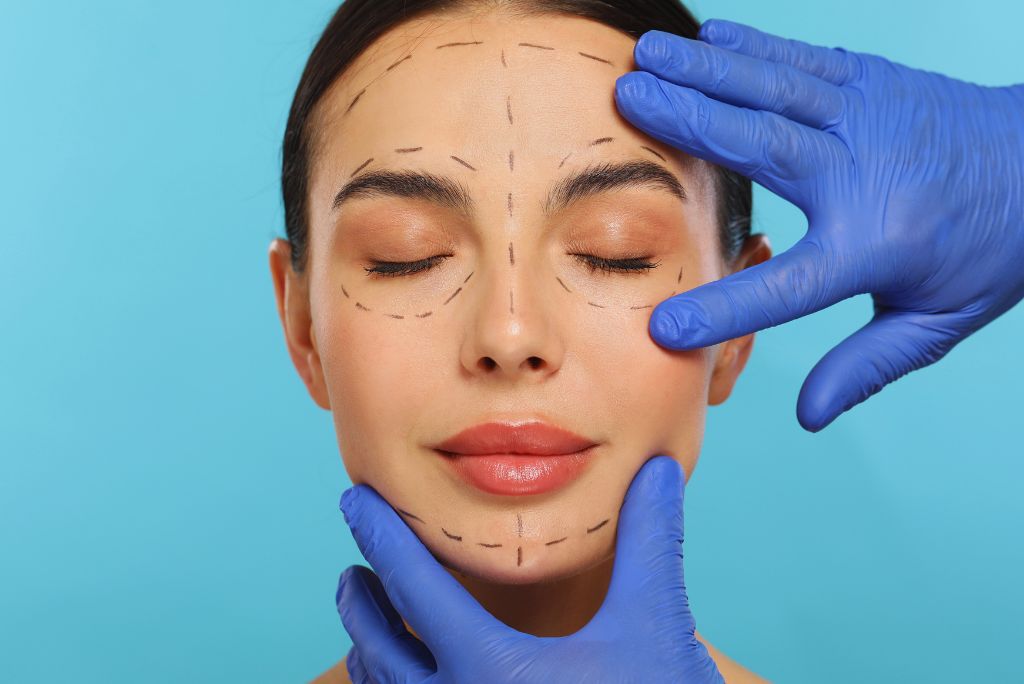
Cosmetic surgery has become an increasingly popular option for people who want to improve their appearance and feel more confident. Turkey is a well-known destination for cosmetic treatments, attracting international patients seeking experienced surgeons, modern medical facilities, and personalized care. From facial procedures to body contouring and breast surgery, patients can explore different options based on their individual goals. Cosmetic surgery turkey services are often available through clinics that assist patients with consultations, treatment planning, and recovery arrangements. However, choosing the right clinic requires careful research and realistic expectations. Understanding the benefits, safety standards, and available procedures can help patients make informed decisions about their treatment.
Access to Experienced Cosmetic Surgeons
One important reason people consider Turkey for cosmetic procedures is the availability of surgeons with experience in different areas of aesthetic medicine. Many specialists focus on particular procedures, such as rhinoplasty, liposuction, tummy tucks, and breast surgery. Before choosing a surgeon, patients should review qualifications, professional registration, relevant experience, and before-and-after photographs. A detailed consultation also helps establish whether a procedure is suitable for their needs. Selecting a properly qualified professional is essential for reducing avoidable risks and supporting satisfactory outcomes.
Modern Medical Facilities and Technology
Turkey has numerous private hospitals and clinics offering cosmetic procedures in modern medical environments. Depending on the facility, patients may have access to advanced surgical equipment, diagnostic services, and dedicated recovery areas. These resources can support treatment planning and patient care when combined with appropriate medical expertise. Nevertheless, facilities differ in their standards and capabilities. Patients should confirm that the chosen hospital or clinic meets applicable healthcare regulations and maintains suitable hygiene, anesthesia, and emergency procedures before agreeing to surgery.
Importance of Plastic Surgery Turkey for Personal Confidence
The importance of Plastic surgery turkey services can be understood through the personal goals that lead individuals to consider aesthetic treatment. Some people wish to address a feature that has affected their confidence, while others seek changes following pregnancy, significant weight loss, or natural aging. Cosmetic procedures may help certain patients feel more comfortable with their appearance, although results and satisfaction vary. Surgery cannot guarantee improved self-esteem or resolve every personal concern. A responsible consultation should discuss expectations, potential limitations, recovery requirements, and possible complications before treatment is planned.
A Variety of Cosmetic Surgery Procedures
Another reason patients explore cosmetic surgery Turkey options is the range of procedures available. Facial treatments may include rhinoplasty, eyelid surgery, and facelifts, while body procedures can include liposuction and tummy tucks. Breast augmentation, reduction, and lifting may also be offered by qualified specialists. Each procedure addresses different concerns and involves specific risks, recovery periods, and suitability requirements. Patients should avoid selecting surgery simply because it is popular. Instead, they should discuss their medical history, desired results, and available alternatives with an appropriately qualified surgeon.
Personalized Treatment and Patient Support
Many clinics provide services designed to help international patients navigate the treatment process. These may include online consultations, translation assistance, appointment coordination, airport transfers, and accommodation arrangements. Such support can make travel planning easier, but it should not replace direct communication with the surgeon or medical team. Patients should request a written treatment plan explaining the procedure, anesthesia, follow-up appointments, and aftercare arrangements. They should also establish who will respond if complications occur after returning home, since proper follow-up is an important part of surgical care.
Understanding Costs, Safety, and Recovery
Treatment costs can influence the decision to travel, but the lowest advertised price should never be the main consideration. Patients should understand what a package includes and whether additional consultations, medication, accommodation, or follow-up care may cost extra. They should also allow enough time to recover before flying home, following the surgeon’s medical advice. Every operation carries potential risks, including infection, bleeding, anesthesia complications, and unsatisfactory results. Independent research, transparent communication, and appropriate medical screening are essential when comparing clinics and treatment options.
Final Thoughts
Turkey offers several reasons for people to explore cosmetic surgery, including experienced specialists, modern facilities, varied procedures, and support services for international patients. However, successful treatment begins with informed decision-making rather than attractive packages or promotional promises. Patients should verify qualifications, assess clinic safety, understand possible complications, and maintain realistic expectations. By prioritizing medical standards and comprehensive aftercare, individuals can make a more informed choice about whether cosmetic surgery is appropriate for their personal needs.

Children’s Orthodontics in Winchester: When Early Jaw Development Needs Specialist Attention

6 Benefits of Personalized Lifestyle Planning

How to Tell Whether Your AI SEO Agency Is Actually Working

Who Is Rita Johal? All About Riyad Mahrez’s Former Wife and Her Story

Who Is Caroline Hickman? Story of Caroline Hickman, Steve Coogan’s Ex Wife

Who is Sarah Vincent? All About Vic Reeves’ Ex Wife and Their Children
-
 Celebrity5 months ago
Who Is Rita Johal? All About Riyad Mahrez’s Former Wife and Her Story
-
 Celebrity5 months ago
Who Is Caroline Hickman? Story of Caroline Hickman, Steve Coogan’s Ex Wife
-
 Celebrity5 months ago
Who is Sarah Vincent? All About Vic Reeves’ Ex Wife and Their Children
-
 Celebrity5 months ago
The Life of Giselle Glasman: Actress, Theatre Publicist, and Lennie James’ Wife
-

 Celebrity4 months ago
Who Was Carolyn Cox? Biography of Nigel Havers’ Ex Wife
-

 Celebrity5 months ago
Who Is Annie Milner? Untold Story of Paul McGann’s Former Wife
-

 Celebrity5 months ago
Who is Eleasha Hamed? Boxing Legend Naseem Hamed’s Wife
-

 Celebrity5 months ago
Story of Merula Salaman and Her Life with Alec Guinness